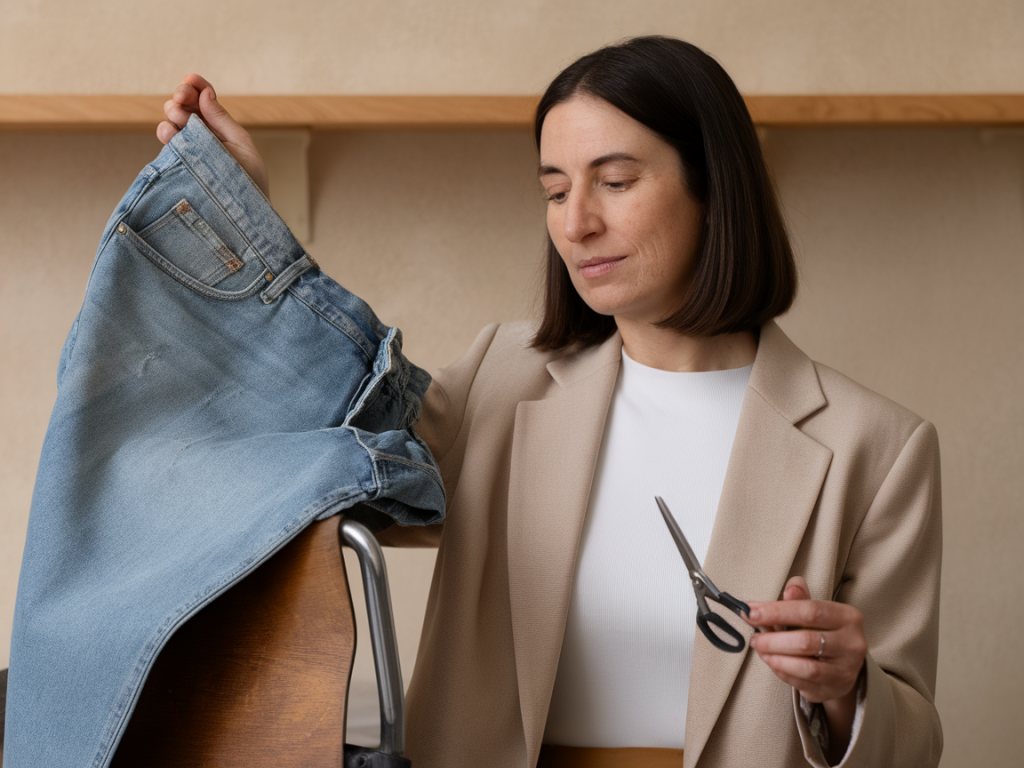
I remember the sinking feeling: my favourite high-waisted blue jeans — the ones that made me feel effortlessly pulled together — suddenly gaped at the waist and hugged in awkward places. Jeans are weirdly intimate pieces of clothing; when they stop fitting, it can feel like losing a small part of your identity. Over the years I’ve learned that this is a fixable, and even enriching, moment. Whether your body has shifted, the brand changed its cut, or you simply want to revive a beloved pair, here are practical, realistic options that actually work.
Why jeans stop fitting (and why that's okay)
Before we dive into solutions, a quick note: jeans stop fitting for a lot of reasons. Weight fluctuation, changes in body composition, different laundering habits, or even subtle pattern shifts between production runs can all play a part. Fabrics with more stretch will relax over time. And sometimes the style you loved five years ago just looks different now. Acknowledging that jeans have a lifecycle helps take the pressure off — this is normal, not a failure.
Quick fixes you can try at home
If the problem is small — a little looseness at the waist, a minor hemline issue — these at-home tricks can buy you time or make the jean wearable again.
- Emergency waist cinch: Use a small elastic hair tie through the back buttonhole and loop it over the button. It’s not pretty, but it’s discreet and perfect for a day out.
- Belt hacks: Try a narrow belt threaded through only the front loops so you maintain the silhouette without bunching at the back.
- Temporary tailoring with safety pins: On thicker denim you can fold and pin at the back waistband inside the jeans to reduce gaping. Cover with a longer top for a polished look.
- Steam and shrink: If your jeans have some cotton and have stretched out, a hot wash followed by a hot tumble can shrink them back slightly — but be cautious: you can also distort the fit.
- Sew a halter-style button extender: If you sew, add a small tab of fabric inside the waistband to reduce the circumference. This is an easy reversible alteration.
Alterations that make a real difference
When you love the pair and want them to last, a tailor is often the best friend of your favourite jeans. Here are the most useful alterations and what to expect price-wise and in comfort.
- Taking in the waist: This is the most common alteration. A skilled tailor can remove 1–3 inches without ruining the pocket positioning. Expect to pay more for denim with heavy hardware or special finishes.
- Adjusting the seat: If the fabric sags or the jeans bag behind, a seat alteration reshapes the curve across the butt. It’s transformative for comfort and look.
- Tapering the legs: If the leg shape now looks dated, tapering from the knee down can modernise the silhouette.
- Shortening hems or redoing raw hems: If the length is wrong but you love the hem finish, a tailor can replicate original details like chain stitching or raw-edge looks.
- Reinforcing worn areas: Waistbands, pocket corners and inner thighs wear out first. Adding small patches or reinforcing stitches keeps them wearable longer.
Note on cost: Basic waist and hem changes are usually affordable, but complex reshaping (seat adjustments, rebuilding waistbands) costs more. Ask for a preview of how much the tailor can take in — too much can throw off the jeans’ proportions.
Styling tricks to make “not-quite-right” jeans work
Sometimes the easiest route is to style around the problem. Little outfit adjustments can camouflage fit issues and keep the jeans in rotation.
- Tuck strategically: A full tuck in a slightly loose high-rise can create definition at the waist. Try a ribbed tank or a fitted tee to avoid bulk.
- Layer with structure: A cropped blazer, a structured cardigan or a belted coat adds shape so the jeans’ looseness becomes part of the relaxed vibe.
- Play with proportions: Oversized tops balance a tapered or slightly loose jean for a contemporary, intentionally slouchy look.
- Opt for shapewear: Lightweight shaping shorts smooth the silhouette under jeans without feeling constricting — brands like Spanx and Commando make breathable options.
- Choose shoes wisely: Pointed mules, ankle boots or heeled sandals elongate the leg, making the fit issues less noticeable.
When to replace: picking a new pair that actually fits your life
Sometimes repairs and styling can’t recreate the feeling you had with your original jeans. When it’s time to replace, I’ve learned to be deliberate rather than reactive.
- Know your true size (and brands that fit you): Sizes vary wildly across labels. Keep a little note of your true waist and hip measurements, and the brands that work for your shape. I often turn to Levi’s for consistent classic fits, Madewell for comfortable mid-rise styles, and Frame or AG for premium cuts with luxe denim.
- Try different rises: High-rise works for some moments, but mid or low-rise can be more comfortable if your waist and hips have changed. Don’t be afraid to experiment in-store.
- Check fabric composition: Less stretch means they hold their shape longer. Aim for cotton blends with 1–2% elastane for comfort without permanent sagging.
- Invest selectively: A reliable pair of jeans is worth spending a bit more on. I have one pair I wear for weekends, a dark skinny-like pair for evenings, and a relaxed straight for travel. Each serves a purpose.
- Consider sustainable options: Brands such as Everlane, People Tree, and Nudie Jeans offer durable, ethical options that age well and are easier to repair.
Care tips to keep new jeans fitting longer
How you wash and store jeans affects their longevity and fit more than most people realise.
- Wash less often: Washing strips fibers and relaxes stretch. Wear 5–10 times between washes where possible and spot-clean as needed.
- Cold wash and air dry: Use a gentle detergent, cold water, and reshape while wet. Air-drying reduces shrinkage and fabric breakdown.
- Store thoughtfully: Fold denim rather than hanging to avoid stretching the waistband. If you hang, use clips that avoid the waistband itself.
- Rotate pairs: Give each pair rest so they return to shape between wears.
Mindset: why this is an opportunity, not a setback
When a favourite pair stops fitting, it’s an invitation to reassess what you want from your wardrobe. Do you want to alter and keep that nostalgic piece? Or is this your cue to find a fresh silhouette that feels current and comfortable? Both choices are valid. For me, these moments often lead to pleasant surprises — a tailor’s magic, a new go-to brand, or a style that feels even more “me.”
If you’d like, tell me about your favourite pair — brand, rise, colour — and I’ll give tailored suggestions for fixes, similar replacements, or styling tricks that match your life. I love hearing the stories behind the clothes we keep close.