Autumn in the UK feels like a mood more than a season — sun one minute, a chilly downpour the next, then a gust of wind that makes you regret wearing flats. Over the years I’ve learned that successful dressing for this patchwork weather isn’t about having one perfect coat; it’s about mastering the art of layering. I want to share a practical, gentle guide that helps you build outfits which are warm, stylish and easy to adapt when the forecast changes five times before breakfast.
Start with the base: comfortable foundations
The first layer should be comfortable against your skin and do most of the thermoregulation work. For me that means choosing breathable fabrics that can wick moisture away if I’m walking briskly or commuting. My go-to base pieces are:
When building outfits, I reach for neutral-toned bases (cream, soft grey, black, navy) because they keep the look cohesive and make layering visually simpler.
Mid-layers: the cosy but stylish core
Mid-layers are where your outfit gets personality, warmth and structure. Think cardigans, lightweight knitwear, and shirt jackets (shackets). These pieces should be easy to put on and take off and look good when half-covered by a coat. My favourite mid-layers for UK autumn are:
A tip I use constantly: keep one staple patterned mid-layer (striped Breton, check shirt) to lift simple outfits without overcomplicating the silhouette.
Outer layers: weather‑proof and flattering
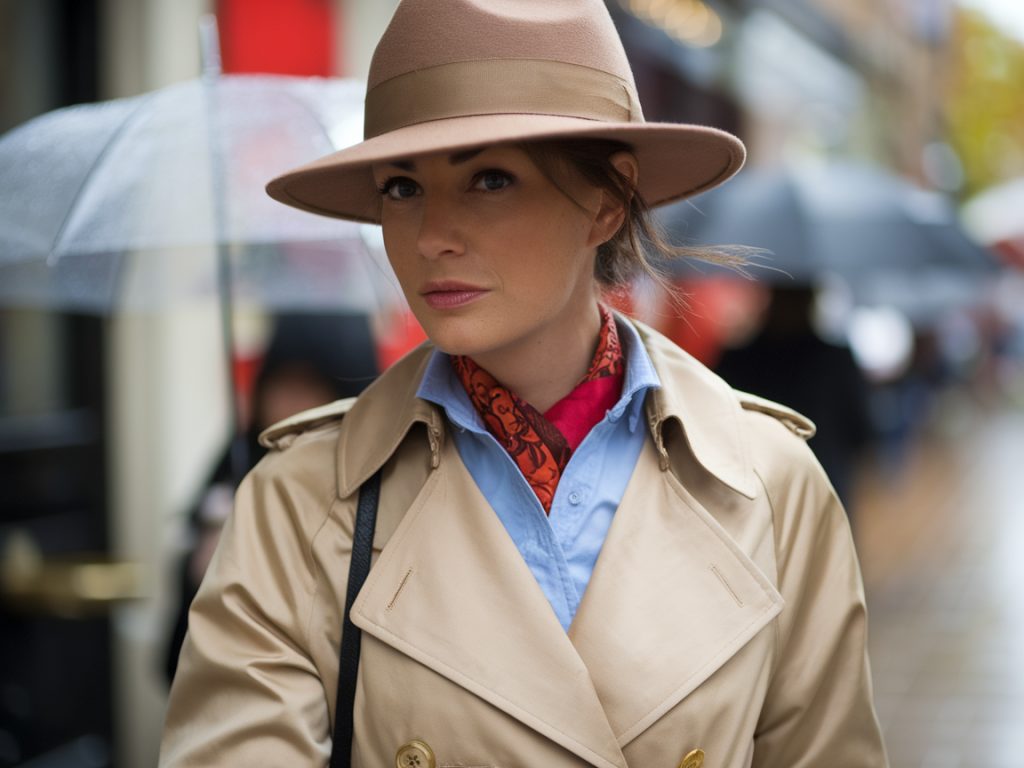
Your outer layer needs to do three things: protect from wind and rain, add a visual finish to your outfit, and fit comfortably over the mid-layers. In the UK I favour a capsule of three types of outerwear:
When choosing colours, I usually pick one neutral classic (camel, black, navy) and one seasonal colour (deep green, burgundy, rust). This keeps my wardrobe versatile and visually interesting.
Practicality: pockets, closures and ventilation
Small details matter. I always check:
For cycling or long commutes, a slightly longer raincoat with hi‑vis trim or reflective piping can be life-saving in low light.
Layering for temperature changes throughout the day
A typical autumn day for me might start at 8°C and creep up to 16°C by mid‑afternoon. Here’s a practical formula I use and recommend:
It’s the “±” that’s important — select an outer layer that’s easy to tie around the waist or fold into a tote without creasing. A linen scarf can double as a makeshift shawl in the office or a picnic blanket on a sunny break.
Accessories that change everything
Accessories are the unsung heroes of autumn layering. Small items that are easy to remove or add can transform comfort levels:
I also love layering necklaces over turtlenecks or jumpers to add personality without compromising warmth.
Shoes and socks: keep your feet happy
Autumn ground conditions in the UK can be damp, muddy or slick. My footwear strategy is:
Packing and layering on the go
I often need to switch from outdoor to indoor situations quickly: meetings, cafes, trains. My packing checklist for an autumn day out usually looks like this:
| Item | Why I bring it |
| Lightweight waterproof jacket | Protects from sudden showers; packs small |
| Fine knit jumper | Can be layered or worn alone |
| Silk scarf | Adds warmth and style, packs down |
| Compact umbrella | Essential for unexpected rain |
| Crossbody bag | Keeps hands free and distributes weight |
When I’m travelling light, I wear my bulkiest item (usually the quilted coat) and keep the rest in a foldable bag. I also try to wear layers that look good when half removed — a cardigan tied around the waist or draped over the shoulders can be a deliberate look.
Mixing fabrics and patterns
Layering doesn’t mean playing it safe. I like to mix textures — soft cashmere, rugged denim, glossy leather — to avoid a flat or overly matchy look. Patterns like checks and stripes work well as mid-layers; they peek through when you take off your coat and make a simpler base feel curated.
One rule I follow: keep the colour palette to three main tones in any outfit. That keeps the look intentional and makes changing pieces easier without clashing.
Care and maintenance
Good layering pieces are investments. To keep them working season after season:
Small repairs — replacing buttons or darning holes — extend the life of favourites and reduce the need to replace pieces entirely.
Layering for UK autumn is really about creating a flexible system you enjoy wearing. I aim for a wardrobe that’s functional, comfortable and visually pleasing so that getting dressed becomes a small, confidence-boosting ritual — no weather app required.