I used to buy beautiful high-street pieces purely for the way they looked on the hanger, only to find them stretched, faded or pilled after a few wears. Over time I learned that the secret to picking clothes that last isn’t pure luck — it’s reading the tiny print. Decoding fabric labels will help you spend smarter, save time on repairs, and build a wardrobe that truly works for your life.
Why labels matter (and what they actually tell you)
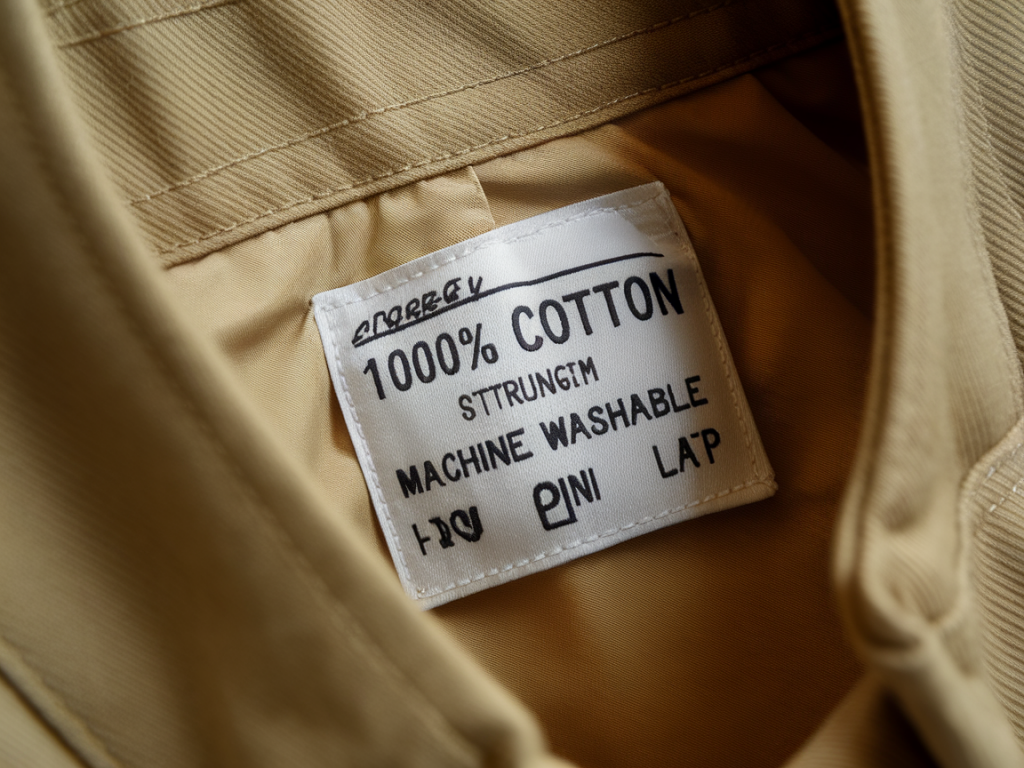
Those little tags behind your neck or in the side seam contain three types of useful information: the fibre composition, the care instructions, and where the garment was made. Between those lines you can learn a lot: whether a jumper will pill, if a dress will breathe in summer, or whether a coat will keep its shape. I always check labels before trying anything on — it’s my quick litmus test for whether a piece is worth my money and energy.
Fibre breakdown: the quick-read guide
Understanding fibres is the first step. Here’s how I think about the common ones you’ll see on high-street labels:
Cotton: Breathable and comfortable. Good for tees, shirts and everyday dresses. Look for long-staple or organic cotton on the label — they last longer and pill less.Polyester: Durable, quick-drying and resistant to wrinkles. It can feel plasticky if heavy, but when blended (like cotton-poly) it increases longevity and shape retention. Watch out for low-quality polyester that traps odor.Viscose/Rayon: Fluid and silk-like, often used for dresses and blouses. It drapes beautifully but can weaken when wet and may shrink. Check care instructions carefully.Modal: A type of rayon that’s softer and more durable. I love it for T-shirts and loungewear when I want a nicer feel than basic cotton.Wool (including merino and lambswool): Warm and resilient. Merino is finer and less itchy; chunky lambswool can be heavy but cosy. Look for blends with nylon for better durability in knitwear.Acrylic: Lightweight and cheap, often used to mimic wool. It pills easily and can be less breathable — not my first choice for investment knits.Elastane/Spandex/Lycra: Small percentages (usually 1–5%) give stretch and help garments keep shape. Great in trousers, jeans and body-skimming tops.How to read percentages and what they mean for wear
Labels give percentages for each fibre. I translate those into expectations:
High natural fibre content (70%+): Typically more breathable and comfortable. Expect better comfort but check care — pure viscose or pure wool needs delicate handling.Blends (e.g., 60% cotton / 40% polyester): Blends often balance comfort and durability. A cotton-poly blend is a common high-street win: it looks like cotton but resists shrinkage and creasing better.Small synthetic addition (2–5% elastane): Desirable for stretch and shape retention. I look for this in trousers and fitted dresses so they survive daily wear.Care labels: more than laundry rules
Care symbols tell you how the fabric behaves. I treat them like product features rather than chores — they reveal if a garment is truly practical for my life. A few rules I follow:
If it says dry clean only, ask yourself if you’ll actually take it to the dry cleaners. For some tailored jackets and structured coats it's worth it, but for a cheap dress, dry cleaning can double the lifetime cost.Hand wash usually indicates delicate fibres (silk, viscose). I’ll only buy hand-washables if I love the piece enough to care for it gently.Machine washable on a cold, gentle cycle is my sweet spot. It increases real-life wearability dramatically.Symbols cheat-sheet
| Symbol | What it means |
| Tub icon with temperature | Machine wash at that temperature (prefer cold for longevity) |
| Hand in tub | Hand wash only — gentle handling needed |
| Square with circle | Tumble dry instructions — avoid if not recommended |
| Triangle | Bleaching allowed (rarely needed at home) |
| Iron with dots | Iron at low/medium/high heat (one dot = low) |
What to watch for by garment type
Context matters — the same fibre behaves differently in a knit versus a woven piece. Here’s how I assess common items:
T-shirts: Look for long-staple cotton or a cotton-modal blend. Cheap 100% cotton can shrink and lose shape; a small amount of elastane helps keep the neckline from sagging.Shirts and blouses: Linen is dreamy for summer but creases; choose linen blends for less ironing. Viscose is beautiful but needs gentle care.Knitwear: Check the wool content and whether there’s nylon or acrylic as reinforcement. Merino blends perform well; 100% cashmere is luxurious but requires love.Trousers and jeans: Denim with 1–2% elastane offers comfort and recovery. For smarter trousers, a polyester-viscose-elastane mix usually withstands office wear and is low maintenance.Coats: Wool blends with a bit of nylon hold shape and resist wear better than pure wool that can pill and shed.Brand picks and practical habits that save clothes
I’ve found a few high-street brands that consistently get the balance right between cost and longevity. Marks & Spencer often offers good cotton and wool blends; & Other Stories nails viscose blends for dresses; Uniqlo’s basics use long-staple cotton and thoughtful blends. That said, always read the label rather than relying on brand reputation alone.
Buy with care instructions in mind: If you’re busy, avoid pieces that require dry cleaning or frequent hand washing.Wash less, wash smarter: Cold, gentle cycles and air drying extend life. Use a mesh bag for delicates and gentle detergent for wool.Store properly: Fold knits rather than hanging to avoid stretching. Use cedar balls or sachets to deter moths from wool.Repair early: Loose buttons or small pulls are easy to fix. I keep a little sewing kit and do tiny repairs rather than letting issues grow.When to splurge and when to save
I avoid spending big on basics that will be worn daily unless the fibre content and care instructions promise longevity. I’ll invest in a good wool coat or a well-made pair of shoes if the materials and construction are right. For trend pieces I know I’ll only wear a season, I prefer affordable options and accept their shorter lifespan.
Decoding labels used to feel like a chore, but now it’s my superpower for building a wardrobe that serves me. Next time you’re shopping on the high street, pause for the tag — a minute of attention there can keep your favourite pieces in rotation for years.