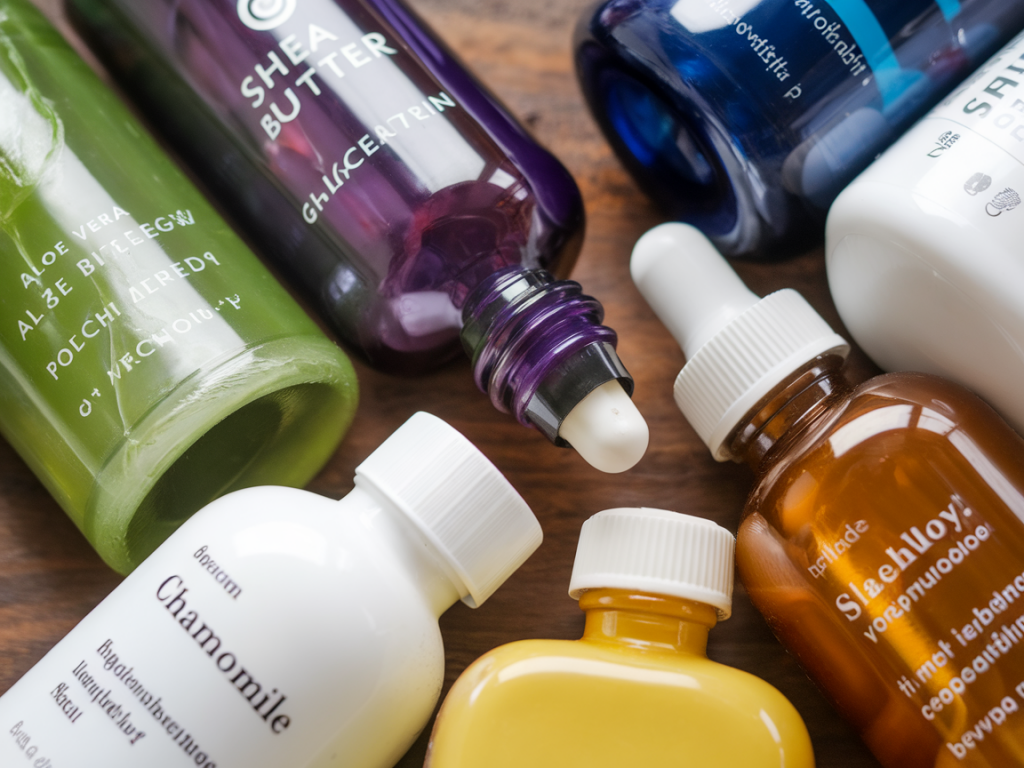
I used to think all moisturizers were more or less the same—until I learned to actually read ingredients lists. Over the years I’ve trialled dozens of creams, gels and balms and, as someone who loves sensible beauty, I now approach moisturizers like little formulas with specific jobs. If you have dry, combination or sensitive skin, the right moisturizer can make a dramatic difference. Below I share how I evaluate a moisturizer, the ingredients I hunt for (and the ones I avoid), and practical tips for choosing what will work for your skin type and lifestyle.
Start with the skin story: what does your skin actually need?
Before you even open the tub, ask yourself: is my skin tight and flaky (dry), oily in the T‑zone and normal elsewhere (combination), or reactive, red and easily irritated (sensitive)? These simple observations guide the textures and ingredients that will help most.
In my experience:
Dry skin benefits from richer textures and occlusives that lock in moisture.Combination skin often needs lightweight hydration on the face with richer care on dry patches.Sensitive skin thrives on minimal, soothing formulas with fewer potential irritants.Key ingredient groups and why they matter
When I scan a label I look for three core functions: humectants (draw water in), emollients (smooth and fill gaps between skin cells) and occlusives (seal moisture). Bonus ingredients include barrier repair actives and anti‑inflammatory molecules.
Humectants: glycerin and hyaluronic acid are my go‑to. They attract water to the skin and help it stay plump. Hyaluronic acid is great for all skin types but can feel sticky in very humid weather.Emollients: look for squalane, fatty alcohols like cetyl or stearyl alcohol (yes, not all alcohols are bad), caprylic/capric triglyceride and plant oils like jojoba or sunflower seed oil. They soften and smooth the surface.Occlusives: petrolatum, dimethicone, beeswax and lanolin form a protective layer. I recommend petrolatum‑containing creams for very dry or barrier‑impaired skin—CeraVe and Vaseline are great night‑time fixes. For lighter occlusion try dimethicone or plant‑derived options like shea butter.Barrier‑repair actives: ceramides, cholesterol and fatty acids are essential if the skin barrier is compromised. Ceramides appear in many dermatological formulas (CeraVe, La Roche‑Posay Toleriane) and are a lifesaver for sensitivity and dryness.Soothing ingredients: niacinamide calms redness and strengthens the barrier; panthenol (pro‑vitamin B5), allantoin and oat extract are anti‑irritant favourites. For sensitive skin I often choose products with these rather than heavy botanicals.Antioxidants and peptides: vitamin E, ferulic acid, and peptides can support skin health and ageing prevention. They’re not essential for hydration but add value to your routine.Ingredients to avoid or be cautious with
Some ingredients can trigger sensitivity or disrupt barrier function. I don’t believe in banning everything—context matters—but here are the usual suspects:
Fragrance and essential oils: one of the most common causes of irritation and allergic reactions. I recommend fragrance‑free formulas for sensitive skins and for anyone using active treatments like retinoids.High concentrations of alcohol (denat): can dry the skin, especially if listed near the top of the ingredient list. Small amounts may be fine in lightweight gels but avoid it if your skin is dry or reactive.Harsh exfoliating acids in moisturizers: AHA/BHA can be great in leave‑on treatments but mixed into a daily moisturizer may increase sensitivity, especially if it’s fragranced.Preservative allergens: methylisothiazolinone (MI) and some formaldehyde releasers can cause reactions in sensitive skin. Many modern brands use safer preservative systems, but if you’ve reacted before, check labels.How to read a label: practical steps I use
Labels can be overwhelming. Here’s my simple method:
Scan the top 10 ingredients—these make up most of the formula. If glycerin, ceramides, squalane or hyaluronic acid appear early, that’s promising for hydration.Look for fragrance, essential oils, alcohol near the top if you’re sensitive—if they’re high on the list, opt out.Check for active boosters like niacinamide or peptides if you want extra barrier help or anti‑ageing benefits.Note the texture descriptors: “cream,” “balm,” “gel” often tell you how occlusive or lightweight the product will be.Picking by skin type: concrete suggestions
From my trials and client work, these are the formulas I reach for depending on need.
For dry skin: choose a rich cream or balm with occlusives and barrier lipids. Look for petrolatum or dimethicone plus ceramides and glycerin. Examples I’ve come back to: CeraVe Moisturizing Cream (ceramides + hyaluronic acid + petrolatum‑level occlusion) and La Roche‑Posay Cicaplast Baume for repair days.For combination skin: use a lightweight gel‑cream or oil‑free emulsion for daytime and a richer cream on dry patches or at night. Hyaluronic acid or glycerin as humectants plus light emollients like squalane work well. Neutrogena Hydro Boost (hyaluronic acid gel) is excellent for a non‑greasy daytime base.For sensitive skin: keep it simple. I favour fragrance‑free, minimal ingredient lists with ceramides, niacinamide, panthenol and oat extract. Brands I trust for sensitivity are La Roche‑Posay Toleriane, Avène Tolerance Control, and First Aid Beauty’s Ultra Repair Cream (if you don’t react to humectants used).Texture matters—match your climate and routine
I live in a climate where seasons swing, so I swap textures. In humid months a gel or lightweight cream feels fresh and absorbs quickly. In winter I opt for a thicker formulation or add an oil. If you’re layering with serums, apply water‑based serums first (hyaluronic acid), then your moisturizer, and finish with an oil only if needed to seal.
Practical testing: patch test and timelines
I always patch test a new moisturizer behind my ear or on my inner forearm for 48 hours. If you’re prone to reactions, extend to a week and avoid using other new products simultaneously. Expect improvement in hydration within a day or two, but allow 2–4 weeks to judge barrier repair or reduction in redness properly.
When to call in professional help
If you have persistent redness, stinging, flaking that doesn’t improve with gentle, ceramide‑rich care—or if your skin shows signs of eczema or dermatitis—book a dermatologist. A prescription barrier repair cream or topical steroid might be needed short term while you rebuild the skin’s defences.
Final practical tips I use every day
Don’t skip sunscreen: moisturizers with SPF are handy but not always sufficient—use a dedicated sunscreen if you’re outdoors a lot.Use a humidifier in dry months to help topical moisturizers work better.Less is often more: heavy layering can trap sweat and cause breakouts for combination skin.Be patient and consistent—barrier repair takes time, but the right moisturizer will steady your skin and make other treatments work better.| Skin Type | Top ingredient priorities | Texture |
|---|
| Dry | Ceramides, petrolatum/dimethicone, glycerin, fatty oils | Rich cream or balm |
| Combination | Hyaluronic acid, glycerin, squalane, light emollients | Gel‑cream or light cream |
| Sensitive | Ceramides, niacinamide, panthenol, oat | Minimalist cream, fragrance‑free |
Choosing a moisturizer doesn't have to be complicated. Focus on the core functions—humectant, emollient, occlusive—look for barrier‑supporting actives, avoid known irritants for your skin and give products a fair trial. Over time you’ll build a small collection of reliable creams that suit your seasons, your schedule and the small realities of everyday life. If you want, tell me your skin type and current favourites and I’ll help you narrow down options that actually fit into your routine.