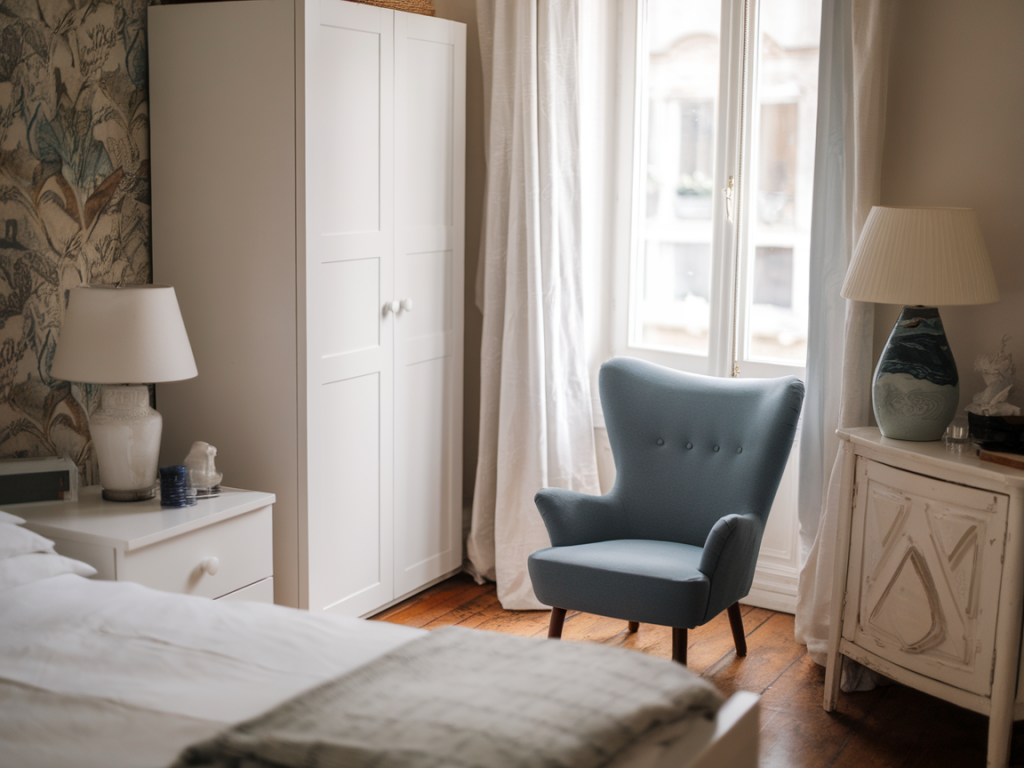
I know that sinking feeling: you go to bed determined to sleep well, and then one bad night spins into a week of restless evenings, anxiety about sleep, and a creeping sense that nothing you used to do helps anymore. I’ve been there more times than I care to admit — after travel, big life changes, or simply when stress decides to move in. Over the years I’ve learned that a sleep reset doesn’t need to be dramatic. It benefits from small, consistent actions that rebuild signals to your brain that it’s time to wind down. Below is a practical, night‑by‑night plan rooted in sleep hygiene and real life. I’ll share what I do, what I recommend, and how to customise it for your schedule.
Why a night‑by‑night plan works
When sleep is out of sync, your body and mind need consistent cues to re‑establish routine: consistent timing, a calm pre‑sleep ritual, and an environment that supports rest. Trying to “fix” sleep in one night is unrealistic; instead, small repeatable habits create momentum. This plan breaks the process into manageable steps so you don’t feel overwhelmed.
Before we start: quick rules I follow
- Keep wake time consistent — even after poor nights. I pick a wake time and stick to it; this anchors my circadian rhythm.
- Start wind‑down at least 60–90 minutes before bed — screens, bright lights, and stimulating tasks are out.
- Be patient and nonjudgmental — anxiety about “failing” makes it worse. I treat each night as data, not verdict.
- Use sleep tools thoughtfully — white noise, blackout curtains, and light management help, but avoid relying on meds unless advised by a doctor.
My seven‑night reset plan (adjustable to shorter windows)
Below is a straightforward plan. I often use this after holiday travel or an intense work week. You can shift times to suit your schedule, but keep wake time steady.
| Night | Goal | Action |
|---|---|---|
| Night 1 | Anchor wake time | Set alarm to your chosen wake time. Avoid napping the next day. Start a short wind‑down 60 minutes before bed: herbal tea, dim lights. |
| Night 2 | Reduce stimulation | No screens 90 minutes before bed. Replace with reading a physical book or light stretching. Use blue‑light filters if unavoidable. |
| Night 3 | Optimize environment | Blackout curtains, cool room (16–19°C/60–67°F), white noise app or fan. Try a trusted pillow spray (lavender) or linen mist. |
| Night 4 | Add relaxation ritual | Ten‑minute breathing practice (box or 4‑7‑8), gentle yoga, or a guided sleep meditation (Calm, Insight Timer). |
| Night 5 | Limit evening stimulants | No caffeine after midday. If you enjoy an early evening drink, keep it moderate and hydrate well. |
| Night 6 | Practice stimulus control | Go to bed only when sleepy. If unable to sleep after 20 minutes, get up and do a quiet activity until drowsy, then return to bed. |
| Night 7 | Consolidate and assess | Keep routine, note improvements, adjust wake time or bedtime by 15–30 minutes if needed. Continue rituals that worked. |
Practical tools I use and recommend
- Light management — Philips Hue bulbs or a simple warm lamp to dim lighting in the evening. Morning light matters too: open curtains or step outside for 10–20 minutes after waking.
- Darkness — blackout curtains or a sleep mask. I love a good sleep mask for travel; it’s an easy, inexpensive fix.
- Sound — a white noise machine (LectroFan) or an app like Calm for consistent ambient sound to drown out unpredictable noise.
- Ritual products — a lavender pillow spray or a calming body oil can signal the brain you’re winding down. Brands like This Works or Neal’s Yard Remedies make pleasant, travel‑friendly options.
- Tracking — a simple sleep journal is better than over‑reliance on trackers. Note bedtime, wake time, and one line about how you felt. If you use a wearable, use it for trends, not nightly judgment.
When you can’t fall asleep: what to do (and what not to do)
Do:
- Get out of bed after ~20 minutes if you’re not sleepy. Do something quiet and low‑stimulus — reading, doodling, or a relaxation exercise.
- Use breathing techniques (my go‑to is 4‑4‑6 breathing — inhale 4, hold 4, exhale 6) to lower heart rate and calm thoughts.
- Keep the lights dim and the activity boring. That helps your brain re‑associate bed with sleep, not wakefulness.
Don’t:
- Use your phone for scrolling — it wakes you up and creates anxiety.
- Eat heavy meals or drink alcohol to force sleep — they fragment sleep architecture.
- Check the clock obsessively — time awareness fuels worry.
How to tailor the plan if you have children, shift work, or travel
If you have children: prioritize the wake time and build shorter wind‑downs in pockets. Even five minutes of a calming ritual (washing face, aromatherapy) before bed helps. Consider naps strategically (20–30 minutes) if you’re sleep deprived, but avoid late afternoon naps.
If you work shifts: aim for consistent light cues relative to your sleep time. Maximise darkness during daytime sleep (blackout curtains) and use bright light therapy when you need to be alert. Try to keep a consistent “anchor” sleep period where possible.
If you’ve travelled across time zones: expose yourself to morning light in the new time zone and follow the seven‑night plan from your first local night. Melatonin can be helpful for short‑term adjustments — consult your doctor first.
When to seek help
If poor sleep persists for weeks despite consistent hygiene changes, or if you suspect sleep apnea (loud snoring, gasping, daytime sleepiness), talk to your GP or a sleep specialist. Cognitive Behavioural Therapy for Insomnia (CBT‑I) is highly effective and often offered through clinics or online programs.
There’s no single silver bullet, but a respectful, patient approach — treating your body with the same practical kindness you’d extend to your wardrobe or wellbeing routines — makes a real difference. Use this plan as a framework, adapt it to your life, and remember to track the small wins: waking up a bit more refreshed, needing less caffeine, or simply feeling calmer in the evening are signs you’re on the right track.