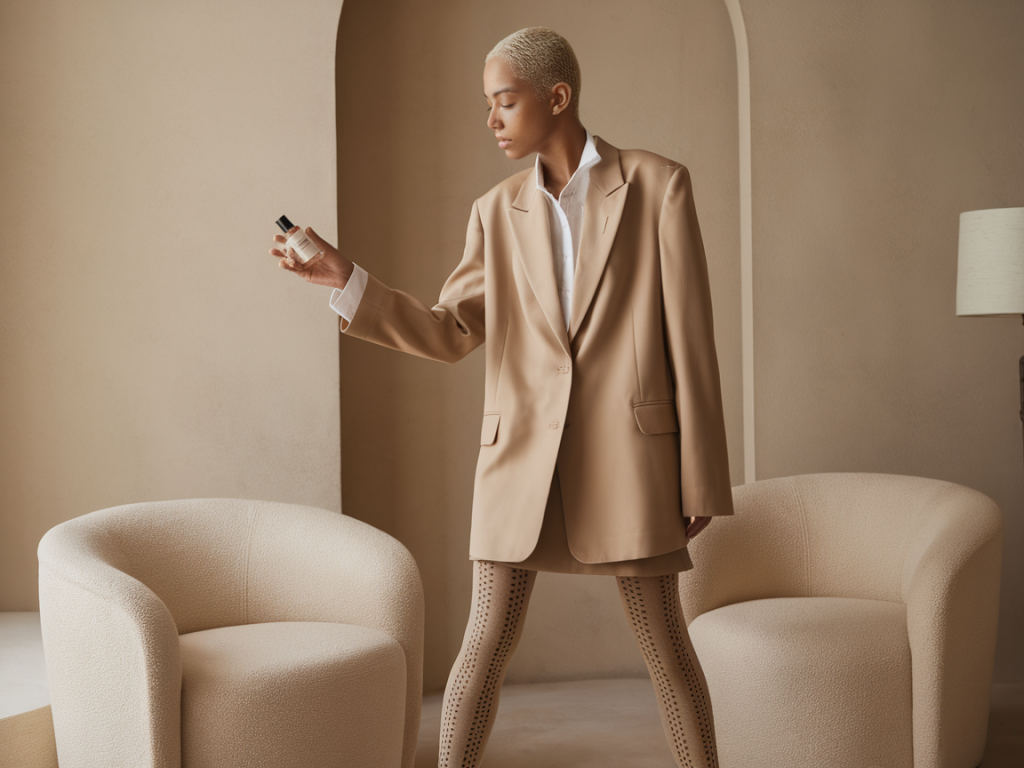
I’ve always believed scent is one of the most underrated confidence tools in a modern woman’s kit. A fragrance can lift your mood, anchor you in a moment, and subtly communicate who you are without saying a word. Over the years I’ve learned to use perfumes strategically — for work, dates and casual days — and I want to share a practical, no-nonsense approach that you can adapt to your life.
Why scent matters (beyond smelling good)
Scent is tied to memory and emotion in a way that few other things are. A particular perfume can transport you back to a trip, a conversation, or a time when you felt powerful. That emotional shorthand is precisely why scent can boost confidence: it’s a sensory shortcut to feeling like your best self.
But there’s more. Choosing the right fragrance for a situation helps you craft the impression you want to leave. At work, you might want to be perceived as polished and approachable. On a date, you may want to be remembered as intriguing and warm. For casual days, a light scent can make you feel put together without effort. The trick is matching scent family, concentration and application to the context.
Understanding the basics: concentration and families
Before we get into specific recommendations, a couple of quick notes:
Concentration: Eau de Parfum (EDP) tends to be stronger and longer-lasting than Eau de Toilette (EDT). For work, an EDT or light EDP can be more appropriate; for evening or dates, an EDP is often better.Scent families: Familiarity with five broad categories helps: citrus/aldehydic (bright, fresh), floral (rose, jasmine, peony), fruity (berry, peach), woody/oriental (warm, spicy, amber), and green/aquatic (fresh, ozonic). Many fragrances blend families — a floral woody or a fruity floral, for example.Choosing perfumes for work
At the office, the goal for me is to smell polished but not overpowering. I want something that feels professional, subtle and enduring. Here’s how I approach it:
Keep it light: Opt for EDTs or light EDPs. Apply sparingly — a single spray on your wrists or the base of your throat is often enough.Choose approachable notes: Citrus, light florals (like peony or freesia), soft musks and clean aldehydes are office-friendly. They read as tidy and not distracting.Test longevity: If you need a fragrance to last through meetings, look for one with a balanced dry-down. A citrus top note that fades into a soft woody base works well.Some of my go-to work scents (that I’ve used or loved on others):
Jo Malone London — Wood Sage & Sea Salt (fresh, slightly mineral, very clean)Chanel Chance Eau Tendre (soft grapefruit and jasmine — feminine but not fussy)Maison Margiela Replica — Lazy Sunday Morning (soft musky floral, very comforting)Choosing perfumes for date night
Date-night scent is where I get deliberate about making an impression. I want warmth, personality and a hint of intimacy. This is the time for richer concentrations and sensual notes.
Go warmer and deeper: Think vanilla, amber, patchouli, sandalwood, tuberose, or richer roses. These notes feel closer to the skin and linger in memory.Application matters: Apply to pulse points — wrists, neck, cleavage — but don’t overdo it. You want to be discovered, not announced.Consider a signature twist: A small dab of a richer perfume behind the ears combined with a lighter spritz on clothes creates an alluring trail that isn’t overwhelming.Some romantic favourites I reach for when I want to feel irresistible:
Yves Saint Laurent — Black Opium (coffee, vanilla and white florals — bold and addictive)Tom Ford — Black Orchid (opulent, dark and sophisticated)Le Labo — Santal 33 (smoky, sandalwood-forward — gender-leaning and memorable)Choosing perfumes for casual days
Casual days are about comfort and ease. You might be running errands, meeting a friend for coffee, or spending a relaxed weekend at home. The scent should enhance a cozy, effortless vibe.
Keep it uncomplicated: Fresh citrus, green notes, or soft musks are ideal. They lift your mood without asserting themselves.Think versatility: A light scent that transitions from morning to early evening without clashing with layers or makeup is practical.Try layering: Use a scented body lotion and a light spray to extend longevity while keeping the scent soft.Easy casual picks I recommend:
Philosophy — Amazing Grace (clean, simple and feminine)Cedarwood or citrus-based colognes (look for brands like Atelier Cologne or Clean Reserve)Herbal blends like Diptyque — Philosykos (fig leaves and wood — fresh and earthy)Practical testing tips (how I pick a new fragrance)
Buying fragrance can feel overwhelming. Here’s my process, which keeps things grounded and helps avoid buyer’s remorse:
Don’t rush: Spritz on paper first, then let it breathe for 10–20 minutes before judging. The top notes are misleading; the dry-down reveals the true character.Try on skin: Fragrances react to body chemistry. Always test on your wrist and live with it for a few hours.Limit the test panel: Try 2–3 options in a session. Too many perfumes will blur your sense of each.Sleep on it: If you still can’t decide, sleep on it. Smells can grow on you.Application and etiquette
How you wear perfume matters as much as what you wear. Here are the rules I stick to:
Less is more: Aim for subtlety. Over-applying can create a cloud that others notice before they notice you.Apply to pulse points: Wrists, neck, behind the ears and the inner elbow are classic. Lightly dab rather than rubbing; rubbing distorts the fragrance.Avoid spraying on clothes before trying: Perfume can stain or alter fabric dye. If you want scent on clothes, spritz the air and walk through it.Be mindful in shared spaces: Public transport, open-plan offices and crowded restaurants are spaces where a heavy scent can overwhelm. Adjust accordingly.Building a small, practical fragrance wardrobe
You don’t need dozens of bottles. I recommend building a compact set that covers your life’s main moments:
Everyday/Work: One light, clean scent (EDT/soft EDP)Weekend/Casual: One fresh or earthy scent (body lotion + light spray)Evening/Date: One deeper, more sensual EDPRotating these seasonally is also a simple way to keep your scent feeling fresh. Lighter citrus and aquatic notes for spring/summer; warmer ambers and woods for autumn/winter.
Using scent as a confidence tool is about intention. When I choose a perfume for the day, I ask: how do I want to feel? Who will I be with? What’s my schedule? The answer guides the fragrance and, more importantly, how I wear it. Over time you’ll develop a small collection and the instinct to reach for the exact scent that makes you feel most like yourself.