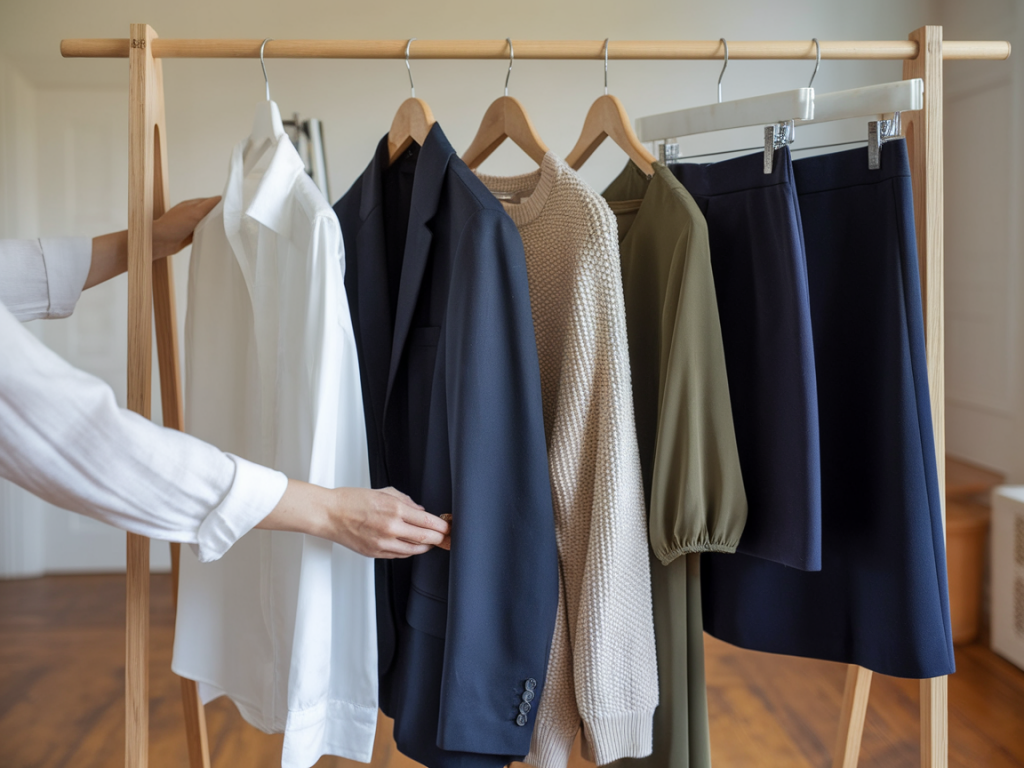
I used to think a capsule wardrobe had to mean shelling out for a whole new outfit every season — bespoke pieces, neutral designer staples, and the kind of minimalist uniform celebrities wear. In reality, building a sustainable capsule wardrobe on a budget is about deliberate choices, careful editing, and small investments that pay off over time. Below I’ll walk you through my step-by-step process, practical tips, and the questions I get asked most: How many pieces do I need? Where should I shop? How do I keep it truly sustainable without spending a fortune?
Start with your life — not the trend
Before you touch your wardrobe, ask yourself what you actually do week-to-week. My capsule reflects my life as someone juggling meetings, travel, and days when I want to feel put-together but comfortable. Make a short list:
Designing around real life helps you choose pieces you'll wear often rather than items that live in the back of the wardrobe.
Edit ruthlessly: the closet audit
Pull everything out. Yes, everything. I do this seasonally. Ask three questions for each item:
If the answer is no to two or more, set it aside for donation, repair or resale. This step alone cuts your decision fatigue and shows where the real gaps are.
Choose a palette that works
A cohesive colour palette makes mixing and matching effortless. I recommend 3 neutrals and 2–3 accent colours. For example:
Neutrals keep outfits streamlined, while accents give personality. When in doubt, pick shades that flatter your skin tone and that you already have a few pieces in.
Decide the capsule size
There’s no one-size-fits-all. Here are common ranges:
| Capsule Type | Typical Number of Pieces (excluding underwear, shoes) |
|---|---|
| Minimalist | 20–25 |
| Classic | 30–40 |
| Flexible (seasonal) | 40–50 |
I started with 30 pieces and found it balanced variety with simplicity. If you’re new, try a slightly larger capsule so you don’t feel restricted, then refine it.
Invest in quality where it counts
Budget doesn’t mean cheap. It means strategic. Spend more on the items you wear daily: coat, jeans, shoes, a blazer, and a good knit. These are the pieces where better materials and construction make a big difference in longevity and appearance.
Brands I often recommend for value and sustainability: Uniqlo for basics (good cotton tees and knits), & Other Stories for timeless blouses, M&S or H&M’s Conscious collection for affordable wool blends, and local thrift stores for hidden gems. For shoes, consider Clarks or Vagabond for durable everyday styles.
Use secondhand and resale strategically
Thrifting is a cornerstone of a budget-friendly sustainable wardrobe. I look for coats, blazers, and leather goods secondhand — items that are expensive new but last decades if cared for. Online marketplaces like Depop, Vinted, and Poshmark are great for finding near-new pieces. When shopping secondhand, check seams, lining, and hardware closely.
Prioritise versatile silhouettes
Each piece should ideally play at least three roles. A midi skirt that works with sneakers, ankle boots, and a blouse covers casual and dressier days. A single-breasted blazer can be dressed up with trousers or dressed down with jeans and a tee.
Calculate cost per wear
To make buying decisions easier, use cost-per-wear as your metric. If a wool coat costs £150 and you expect to wear it 150 times over a few years, the cost per wear is £1. That’s better value than a £30 trendy jacket you wear five times.
Care and repair to extend life
Good care keeps garments out of landfill. Learn simple repairs like sewing a button or fixing a hem — I keep a tiny repair kit at home. Follow washing labels: air-dry knits, wash jeans inside-out, and use a gentle detergent for delicates. For shoes, a cobbler can often add years of life at a modest cost.
Fill gaps with mindful shopping
When you need new items, wait 48 hours before buying. This reduces impulse purchases. Ask:
If you’re shopping sales, focus on classic cuts and neutral colours rather than seasonal prints.
Rotate seasonally, keep a transitional core
Rather than swapping everything each season, keep a core of year-round items and rotate seasonal pieces. Store out-of-season clothes in breathable boxes after cleaning them. Keep a small “transition” pile — light knitwear, long-sleeved tees — that bridges the gap between seasons.
Make outfits in advance
Create outfit combinations and photograph them. I keep a folder on my phone for go-to looks: one for work, one for weekends, and one for travel. This saves decision-making time and helps you spot missing pieces quickly, so you only buy what truly fills a gap.
Embrace mending and alteration
Tailoring turns a so-so piece into a favourite. Simple alterations — taking in a waist, shortening sleeves — can make inexpensive items feel custom. I budget for one or two alteration services a year; it’s often cheaper than buying something new that fits perfectly out of the box.
Small swaps that add sustainability
Try these quick wins:
Building a sustainable capsule wardrobe on a budget is less about restriction and more about intention. Edit what you own, invest where it matters, shop smartly secondhand, and care for your pieces so they last. With a little planning and some creative combinations, you’ll find a wardrobe that feels effortless, sustainable, and truly yours.