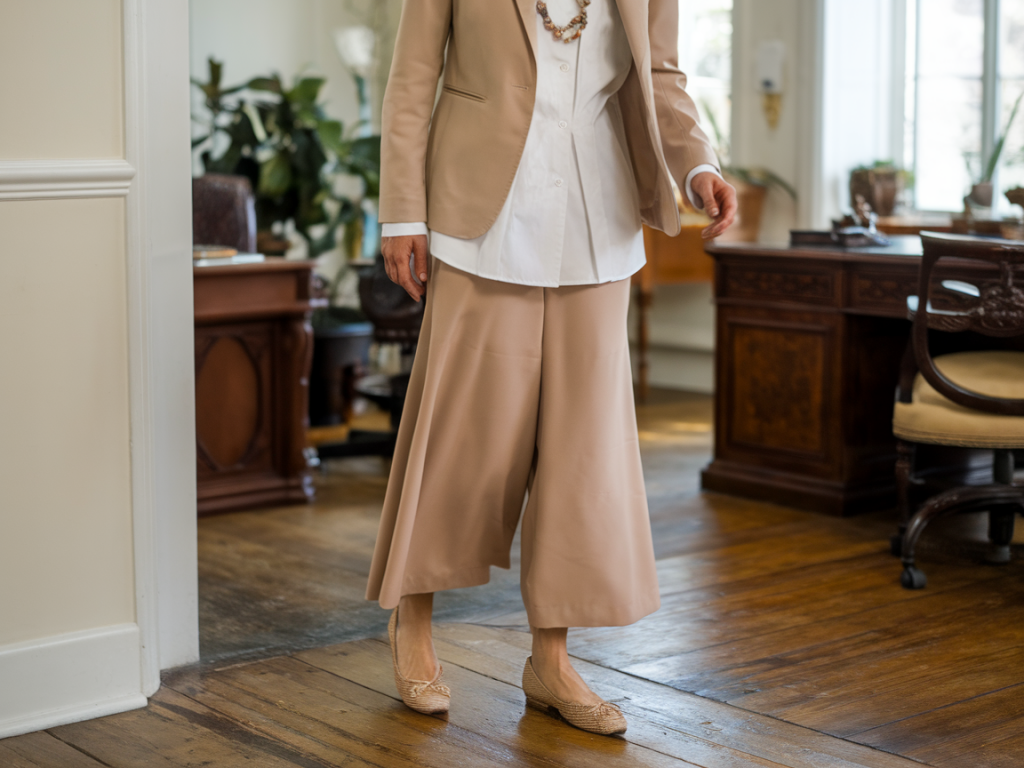
I used to live in painfully pretty ballet flats that looked great under pencil skirts but left my feet complaining by mid‑afternoon. Over time I learned that choosing flats for the office doesn’t mean sacrificing support — it just takes a bit more attention to fit, construction and the small details that make a shoe wearable all day. Below I share what I look for now when I shop (and what I tell clients), plus practical tweaks you can make to turn a cute pair into a comfortable, office‑appropriate staple.
Start with the right shape and fit
The most important decision is the basic shape. A shoe that fits your foot shape will always feel better than a trendy silhouette that pinches or slips.
What I check when I try on flats:
A snug heel that doesn’t slip — a firm heel counter helps keep the foot in place and prevents friction blisters.A roomy toe box — toes should have space to breathe and spread slightly. If your toes feel squashed, size up or choose a different shape.Proper length — there should be about a thumb’s width from longest toe to front of the shoe when standing.Width options — if you’re between widths, try the wider option or look for brands offering multiple width fittings.Look for structural support
Flats aren’t all equal. Construction details make a huge difference to how supportive a shoe feels.
Firm heel counter: This is the stiff piece at the back of the shoe. A reinforced heel counter stabilises the ankle and keeps the shoe from collapsing.Molded footbed or arch support: Many modern flats include a subtle arch or a contoured footbed (Vionic, Ecco and Mephisto are good examples). This reduces fatigue and helps alignment.Slight heel or wedge: A tiny heel — even 5–20 mm — can relieve pressure on the Achilles and feel more supportive than completely flat soles.Shock‑absorbing sole: Look for EVA midsoles, rubber pods or raised cushioned insets. They add comfort without making the shoe look bulky.Choose the right materials
Material affects both comfort and the way a shoe breaks in.
Soft, quality leather: Full‑grain or soft lambskin molds to the foot and reduces rubbing. It often looks more polished for the office than cheap synthetics.Breathable linings: Leather or moisture‑wicking linings keep feet dry and reduce odor — handy when you’re wearing flats all day.Stretch panels and elasticized trim: These give a gentle hug to the foot without tightness. They’re particularly useful for ballet styles that can otherwise gape.Which styles actually work in an office?
Some flat styles are naturally more office‑friendly. I prefer options that balance polish with function.
Loafers: Classic penny or tassel loafers often have thicker soles and firmer structure. They read professional and usually deliver better support.Pointed or almond‑toe flats: These elongate the leg and look smart with tailored trousers. Pick ones with a supportive footbed.Ballet flats with structured interiors: Avoid flimsy ballet slippers. Choose ones with a reinforced insole and heel counter.Low‑profile brogues and derbies: Slightly androgynous styles add polish and tend to have better construction than delicate flats.Be cautious with mules and backless flats for long days — they look chic but often lack heel support and lead to gripping, which tires the foot.
Practical swaps: how to add support to an existing pair
You don’t have to toss every pretty flat. Small adjustments can transform a shoe.
Insert a thin, supportive insole — brands like Superfeet, Dr. Scholl’s or custom orthotics can add arch support without changing fit too much.Use heel grips or padded heel liners to stop slipping and reduce friction.Add cushioned ball‑of‑foot pads if you feel pressure under the metatarsal heads (common with pointed toes).Apply non‑slip sole pads to smooth leather soles for better traction and slightly increased shock absorption.Try before you decide — what to test in the store
When I try shoes on for the office, I do a quick in‑store routine:
Walk briskly for five minutes — not just around the small fitting area; pace up and down if you can.Stand and squat — this tests toe room and whether the shoe slides forward or rubs at the heel.Wear the socks or hosiery you’ll typically use — thin hosiery vs thicker socks changes the fit.Carry a small folder or bag while walking — it subtly shifts your gait and can expose fit issues.Good brands and where I shop
I’m selective but not snobby about brands. A few I reach for when I want comfort plus office polish:
Vionic: Known for built‑in orthotic support — great for flat lovers who need reliable arch control.Clarks: Classic constructions with cushioning and sensible silhouettes.Ecco: Excellent materials and ergonomic footbeds that don’t look clunky.Everlane (Day Loafer) and Rothy’s: Stylish, versatile options with decent support and sustainable angles.Mephisto and Naturalizer: Built for all‑day wear — pricier, but worth it if you’re on your feet.Care tips to keep flats feeling good
Good maintenance increases comfort over time.
Rotate your shoes — give each pair 24–48 hours to air out to preserve cushioning and shape.Condition leather regularly to prevent stiffness and cracking.Replace insoles yearly if you wear a pair every week; they flatten and lose support over time.A few personal rules I follow
Never wear brand‑new flats all day on a workday. Break them in gradually during commutes and short outings.Keep a backup pair at the office for long days or sudden meetings where comfort becomes priority.Invest in one great pair of supportive flats that you can wear most days rather than five marginally comfortable pairs.Choosing flats that support your feet and look office‑appropriate is entirely doable. It’s about prioritising fit, structure and a few smart accessories. Once you find the combinations that work for your feet and your wardrobe, flats can be the easiest, most confident part of your work outfit.
