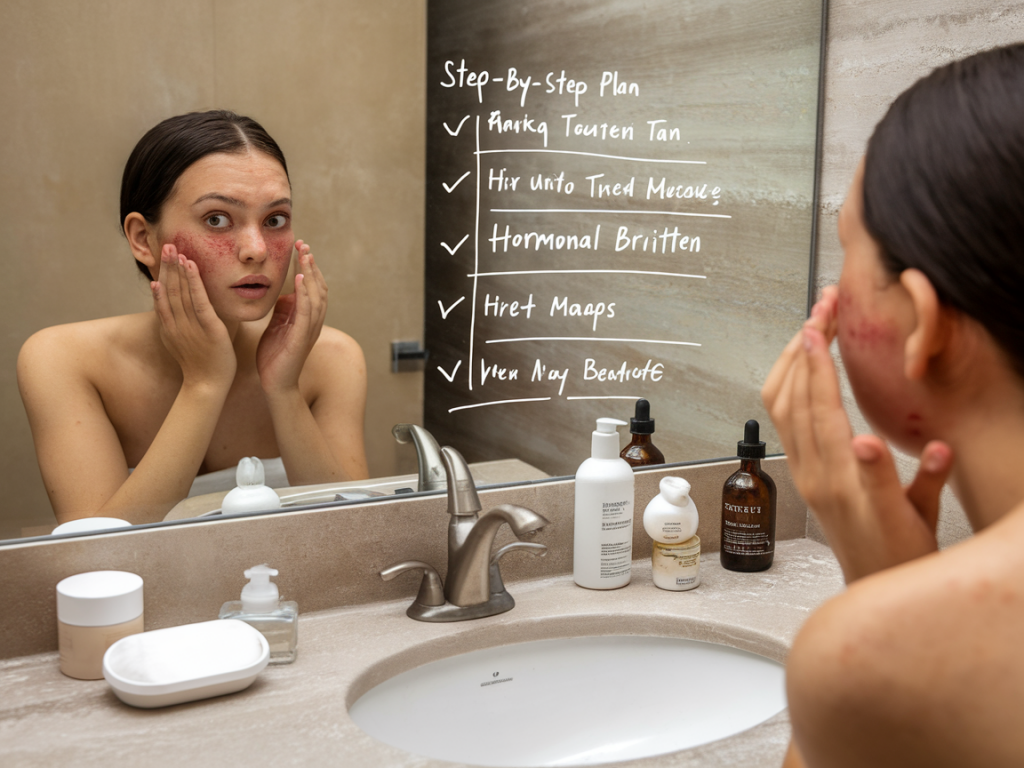
I remember the first time hormones ruined my carefully curated skincare routine: sudden cystic spots along my jaw, skin that felt thick and dull, and a wardrobe of products that somehow made everything worse. If this sounds familiar, you’re not alone. Hormonal breakouts can feel relentless and personal, but they don’t have to define your skin-care life forever. Here’s the realistic, step‑by‑step plan I used to rebuild a tired routine into something calmer, manageable and actually effective for hormonal skin.
Start with a reset: simplify and purge
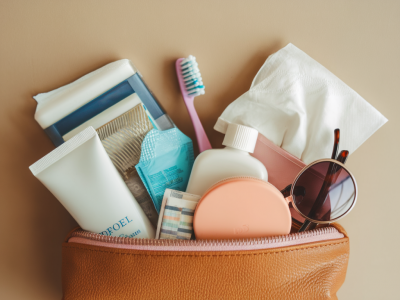
When my skin is acting up hormonally, complexity is the enemy. I pull everything out of my shower and medicine cabinet and I look at one thing: Does this product soothe and support my skin right now? If the answer is no, it goes.
- Keep a gentle cleanser, a hydrating moisturizer, a targeted treatment (like benzoyl peroxide or adapalene) and a sunscreen for daytime.
- Temporary remove active packages—think multiple acids, retinoids and strong exfoliants used together. Too many actives at once can worsen inflammation.
- If you love a product but it likely contributed to irritation, set it aside and reintroduce later as a single experiment.
For me, that meant keeping a mild cleanser (I like CeraVe Hydrating Cleanser on flare days), a soothing niacinamide serum, and a simple non‑comedogenic moisturizer like La Roche‑Posay Toleriane Sensitive. Everything else was boxed and labelled “reintroduce later.”
Establish a two-week gentle foundation
Your goal for the first two weeks is to calm inflammation, repair the barrier and reduce new lesions forming. Think of this phase as damage control.
- AM routine: gentle cleanse, lightweight hydrating serum (hyaluronic acid + niacinamide), moisturizer, mineral sunscreen (zinc-based if acne active).
- PM routine: double-cleanse only if you wear heavy makeup/ SPF—otherwise one gentle cleanse, targeted spot treatment (benzoyl peroxide 2.5–5% or a topical antibiotic if prescribed), lightweight moisturizer.
- Avoid harsh scrubs, pore strips and unnecessary actives.
Niacinamide was a game‑changer for me—helping with redness, oil control and barrier repair. I used it daily and noticed fewer angry red bumps within a week.
Introduce one active at a time
After two weeks of calming, I slowly reintroduced actives—one new active every 2–3 weeks—so I could see what my skin tolerated. If a product triggered more breakouts or redness, I stopped it immediately.
- Start with a gentle exfoliant: a leave‑on BHA like salicylic acid (0.5–2%) can help with hormonal blackheads and congestion. Use it 2–3 times a week initially.
- Next, introduce a retinoid at low frequency—every third night—to tackle deeper hormonal lesions and support skin texture. Prescription adapalene or over‑the‑counter retinol both work; consistency matters more than strength at first.
- If oil is a major issue, consider a lightweight oil-free moisturizer and products containing zinc or niacinamide to regulate sebum.
I personally started retinoids slowly—every fourth night for the first month—while keeping hyaluronic acid and a barrier cream nearby to reduce dryness.
Target hormonal patterns, not just spots
Hormonal breakouts usually follow a rhythm—often flaring in the days before your period. I learned to track mine. When I knew a flare was coming, I prepped my skin:
- Two weeks out: focus on barrier repair and consistent sunscreen.
- One week out: increase exfoliation slightly (if tolerated) to reduce congestion.
- At first sign of cysts: topical benzoyl peroxide or a sulfur spot treatment to reduce inflammation fast.
Sometimes prevention means lifestyle tweaks too—sleep, hydration, lower‑dairy days and checking with my GP about hormonal contraceptives or spironolactone if breakouts were persistent and severe.
Know when to call in medical backup
If breakouts are deep, painful or leaving scars, don’t soldier on alone. I waited too long once and ended up with scarring that took months to fade. A dermatologist can offer topical prescription retinoids, oral antibiotics short‑term, hormonal treatments (like combined oral contraceptives or spironolactone) or even in‑clinic treatments like cortisone injections for cysts.
My dermatologist once gave me a targeted plan—adapalene 0.1% nightly, benzoyl peroxide spot treatment, and a short course of antibiotics for a bad flare. That combination, paired with my daily barrier work, brought my skin back to baseline faster than products alone.
Practical habits that support long-term recovery
These small daily habits made a noticeable difference for me:
- Change pillowcases twice a week; oils and bacteria transfer easily and prolong inflammation.
- Clean phone screens regularly—pressing a dirty phone to your jaw magnifies hormonal lesions.
- Avoid picking—easier said than done, but picking turns a manageable spot into a scar‑prone nightmare.
- Manage stress with small rituals: 10 minutes of breathing, a short walk, or an evening skincare ritual that signals to my brain the day is done.
Sample weekly timeline
| Week | Focus | Key Actions |
|---|---|---|
| Week 1–2 | Calm & repair | Gentle cleanser, niacinamide, barrier moisturizer, sunscreen, spot benzoyl peroxide |
| Week 3–4 | Introduce exfoliant | Salicylic acid 2–3x/week; keep retinoid paused; monitor skin |
| Week 5–8 | Introduce retinoid gradually | Retinoid every 3rd–4th night; hydrate and protect barrier |
Realistic expectations and gentle self-talk
Rebuilding a routine after hormonal breakouts is a marathon, not a sprint. It took me months to feel fully confident in my skin again. There were setbacks—breakouts that appeared right when I thought it was finally over—but each time I learned more about what works for my skin. Celebrate small wins: fewer inflamed spots, smoother texture, less redness.
Above all, treat your skin with the same compassion you’d offer a friend going through a rough patch. The goal is healthier, resilient skin that supports your life—not perfection.