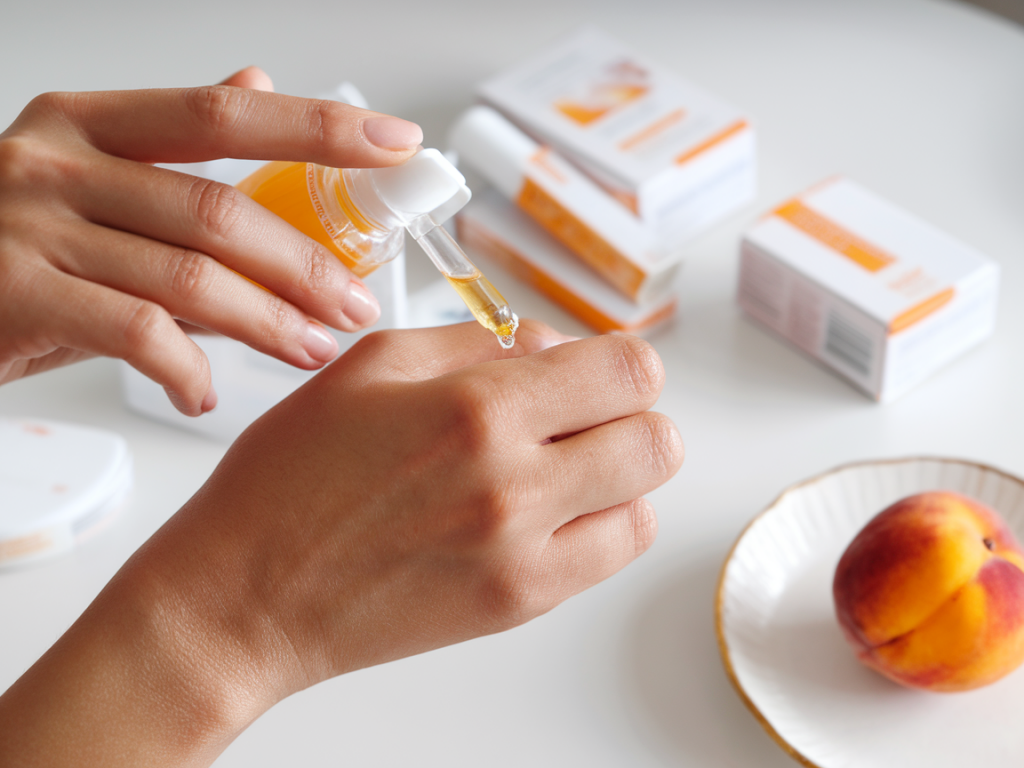
I’ve tried more vitamin C serums than I care to admit, partly because I love the idea of a single product that can brighten my skin, blur dark spots and give a subtle radiance. But as someone with easily irritated skin, I’ve also learned the hard way that not every “brightening” serum is worth the hype. Over the years I’ve narrowed down what truly works for sensitive complexions — and which affordable formulas I keep reaching for when I want results without the sting.
What I look for in a vitamin C serum for sensitive skin
Before I recommend specific products, here’s the checklist I use when deciding if a vitamin C serum is suitable for sensitive skin:
My top affordable vitamin C serums for sensitive skin
Below are the serums I recommend most often. I’ve used all of them at one point and found them to be effective yet gentle, and they won’t force you to choose between glowing skin and irritation.
| Product | Active form | Concentration | Price range | Best for |
|---|---|---|---|---|
| CeraVe Skin Renewing Vitamin C Serum | 10% L-ascorbic acid | 10% | £ | Daily brightening with ceramides for barrier support |
| La Roche-Posay Pure Vitamin C10 | 10% L-ascorbic acid + salicylic acid (low) | 10% | ££ | Sensitive skin that tolerates low-level exfoliation |
| Mad Hippie Vitamin C Serum | Sodium ascorbyl phosphate (SAP) + vitamin C derivatives | Not specified (derivatives) | ££ | Sensitive, reactive skin that needs a gentle antioxidant |
| The Ordinary Magnesium Ascorbyl Phosphate 10% | Magnesium Ascorbyl Phosphate (MAP) | 10% | £ | Budget-friendly, low-irritation brightening |
| Vichy LiftActiv Vitamin C Serum | 10% pure vitamin C + hyaluronic acid | 10% | ££ | Hydrating option for dull, sensitive skin |
Why these choices work for sensitive skin
When I first experimented with vitamin C, I went straight for high-concentration L-ascorbic acid. The results were visible but came with a burning sensation and patchy redness. That pushed me to explore derivatives (MAP, SAP, ascorbyl glucoside) and mid-strength L-ascorbic formulations that pair with calming ingredients.
CeraVe’s serum is a firm favourite because it pairs 10% vitamin C with ceramides and hyaluronic acid. The ceramides help repair and protect the skin barrier — which matters if you’re using active ingredients — and the texture is lightweight and non-stinging. La Roche-Posay’s Pure Vitamin C10 is slightly more “active-feeling” but still tolerable for me; it includes neurosensine (a calming peptide) and a minimal amount of exfoliant to gently smooth skin without aggression.
Mad Hippie, and The Ordinary’s MAP serum, lean into vitamin C derivatives that are inherently gentler. They won’t deliver the immediate glow of high-strength L-ascorbic acid, but over a few weeks you’ll see reduced redness, fewer dark spots and a more even tone, without sacrificing comfort.
How I use vitamin C in my routine (so it brightens, not irritates)
Signs that a serum isn’t working for you
Everyone’s tolerance is different, but these are my red flags:
If I see any of the above I stop using the product, simplify my routine to gentle cleansing and a barrier-repairing moisturizer (think ceramides and peptides), and only reintroduce actives once the skin is calm again.
Storage and longevity tips
Vitamin C oxidizes and changes colour when it degrades. I store serums in a cool, dark place and prefer products in opaque or pump packaging. If a serum turns brown or smells odd, I bin it — oxidized vitamin C is less effective and can be irritating.
Final practical notes
To wrap up (without a formal conclusion): if you have sensitive skin, choose a vitamin C serum that leans on gentle derivatives or mid-range concentrations and contains barrier-supporting ingredients. Products like CeraVe, La Roche-Posay, Mad Hippie and The Ordinary’s MAP are affordable, widely available and deliver visible brightening without the drama. Start slow, layer sensibly, and pair vitamin C with good hydration and sunscreen — that’s the simple formula I’ve used to keep my skin bright and calm, season after season.