I used to dread the walk from the station to the office after a long commute — by mid‑day my feet had the look and feel of two regretful balloons. Over time I learned that you don’t have to sacrifice polish for comfort, and that a few thoughtful choices (plus a couple of wardrobe tricks) will keep swollen feet discreet while still looking totally work‑appropriate. Below I share everything I do when I’m choosing shoes for commutes, long meetings, and days that could go on forever.
Understand why feet swell and what to plan for
First, a quick reality check: swelling (edema) in the feet and ankles after sitting or standing for long periods is common. Heat, hormones, sodium intake, and tight shoes make it worse. Knowing that swelling will probably happen helps you plan — choose shoes with room, flexible materials, and adjustable features rather than squeezing your feet into a “perfect” size that only feels good for 30 minutes.
Key features I look for in commute‑friendly work shoes
When I shop or style an outfit, these are my non‑negotiables. You can use them as a checklist:
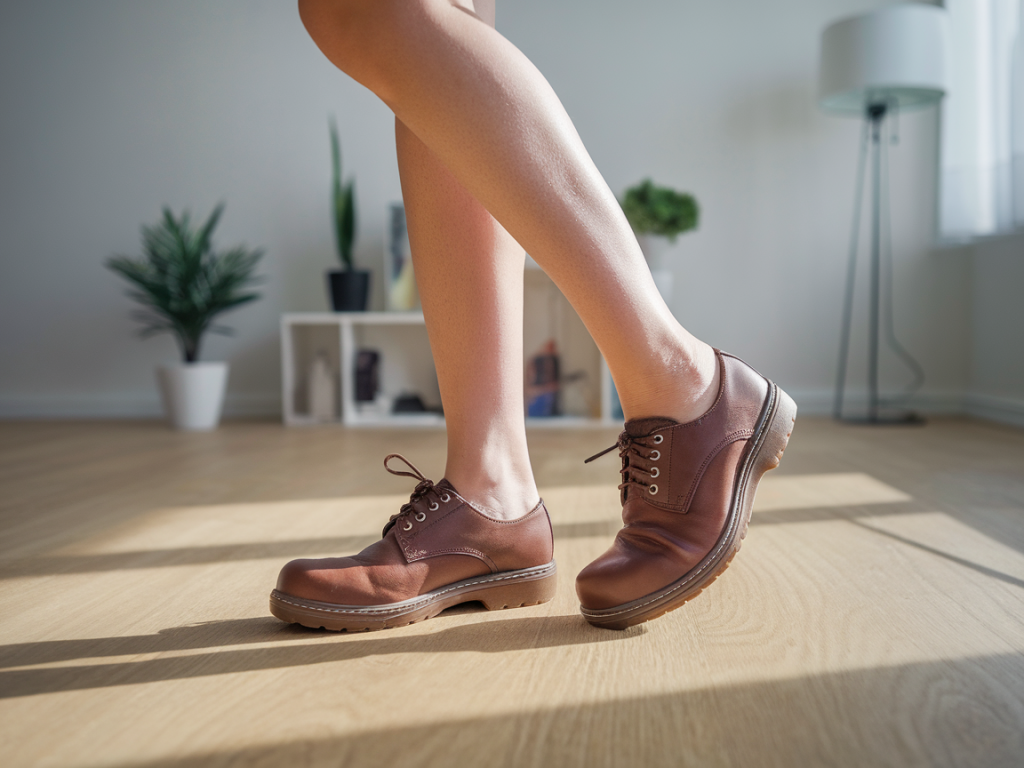
Roomy toe box: A rounded or almond toe rather than a narrow point keeps swollen toes from looking squashed.Flexible, breathable materials: Leather with a soft lining, high‑quality faux leathers, knit uppers, and stretch panels let the shoe expand slightly as needed.Adjustable closures: Buckles, straps, laces, or elastic goring let you loosen shoes during the day.Structured sole with cushioning: A supportive, thicker sole (think lightweight rubber or molded foam) helps with long walks and reduces pressure.Low, stable heel: A small block heel (1–2 inches) looks polished but is far kinder than a stiletto.Wide or available in multiple widths: Brands that come in wide or E widths save a lot of discomfort.Work‑appropriate styles that hide swelling
Here are styles I turn to again and again. I pair each with styling tips so they still read professional.
Loafers and slip‑ons: My commuter MVPs. Go for loafers with a flatter profile, a rounded toe and soft leather. Look for models with elasticised side panels or an internal stretch gusset (Cole Haan’s GrandPro or Ecco’s Soft 7 are examples). They slip on in the morning, can be loosened, and still look tailored with trousers or midi skirts.Chunky low block heels: A 1–2 inch block heel offers polish without pressure. Choose styles with an ankle strap you can adjust. I love a leather block heel with a cushioned footbed — it makes a silk blouse and pencil skirt feel modern and wearable.Ballet flats with stretch or memory foam: Avoid rigid traditional flats. Seek out versions with elasticised toplines and padding (think Sam Edelman or Rothy’s — the latter stretch and mold to your foot). Pair with cropped trousers to keep the look light.Smart sneakers: When your office is relaxed, a sleek leather or suede sneaker (on a minimal, tonal sole) reads polished. Brands like Axel Arigato, Common Projects alternatives, or Ecco offer styles that pair beautifully with workwear.Wide‑fit pumps or slingbacks: If you need a classic pump, choose one in multiple widths or with an open back. Slingbacks accommodate a little extra volume at the heel and ankle and look elegant with dresses.Materials and construction to prioritise
Leather and high‑calibre synthetic uppers are my go‑tos. Why? They stretch just enough to be forgiving while still holding a sharp shape. Soft nappa leather or knit uppers are especially kind to swollen feet. Hard patent leathers or stiff plastics may look crisp but will make swelling worse and show pressure marks.
Practical accessories that make all the difference
I never overlook small helpers — they turn a decent pair into an all‑day ally:
Gel or memory foam insoles: Swap thin liners for cushioned ones that support the arch and relieve pressure on the forefoot.Silicone heel grips: If your feet slip when swelling goes down, these prevent blisters without over‑tightening.Adjustable straps or elastic inserts: You can have a cobbler add a discreet elastic panel to pumps or flats to give extra breathing room.Compression socks for the commute: I wear low‑profile compression socks on very long travel days. They reduce fluid buildup but hide under trousers; opt for nude or black, depending on your outfit.How I shop for shoes when swelling is a factor
I follow a few practical shopping rules:
Shop at the end of the day: Feet are naturally larger later, so trying on shoes then gives a realistic fit.Bring the socks you’ll wear: If you commute with thicker socks, bring them to the fitting session.Walk the store: I always walk in the shoes for at least ten minutes to check for pressure points when my feet might be starting to swell.Try different widths: Size isn’t the only factor — a wide in a lower length can feel better than a standard in a longer size.Quick styling tips to disguise swelling without hiding your outfit
Sometimes you can’t avoid a little puffiness. Here are styling tricks I use when that happens:
Wear darker shoes: Dark tones are naturally slimming around the ankle and foot.Choose cropped trousers that skim, not cling: A tapered crop that stops just above the ankle draws the eye up and creates a balanced line.Opt for structured socks or tights: A matte, medium‑thickness tight smooths the silhouette better than bare skin if your ankles are puffy.Layer visually: Add a blazer or longline cardigan to draw attention upward; a polished shoe + strong top half keeps the overall look intentional.Brands and models I reach for
Here are a few real examples I recommend trying because they combine smart aesthetics with comfortable design:
Ecco Soft 7: A soft, flexible leather sneaker that looks chic and handles long walks.Cole Haan GrandPro loafers: Lightweight, cushioned, and available in wider fits.Clarks Un Adorn Zip/Step: Known for comfort, with removable footbeds you can replace with orthotics.Rothy’s The Point or The Loafer: Stretchy knit that adapts to your foot shape and patterns that hide creasing.Local, smaller makers who offer wider fittings or custom adjustments can be life‑savers too — don’t overlook a good bespoke cobbler for small modifications.
On days when nothing helps: my emergency kit
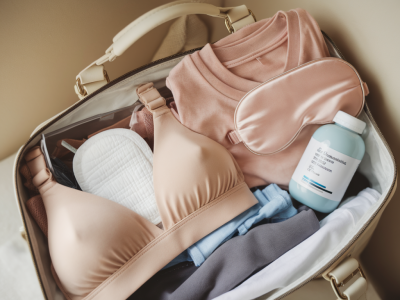
I always carry a tiny kit in my work bag: a pair of lightweight foldable flats (for train delays), blister patches, a compact insole, a tube of cooling gel, and a pair of compression ankle sleeves. It sounds overprepared, but when you’re tired and sore, these small fixes feel like luxury.
Choosing shoes that hide swelling and still look polished is about prioritising flexible construction, modest heels, and a little strategy. With the right pair and a few wardrobe tricks, you can arrive at work looking intentional — and keep your feet comfortable enough to stay there until the end of the day.