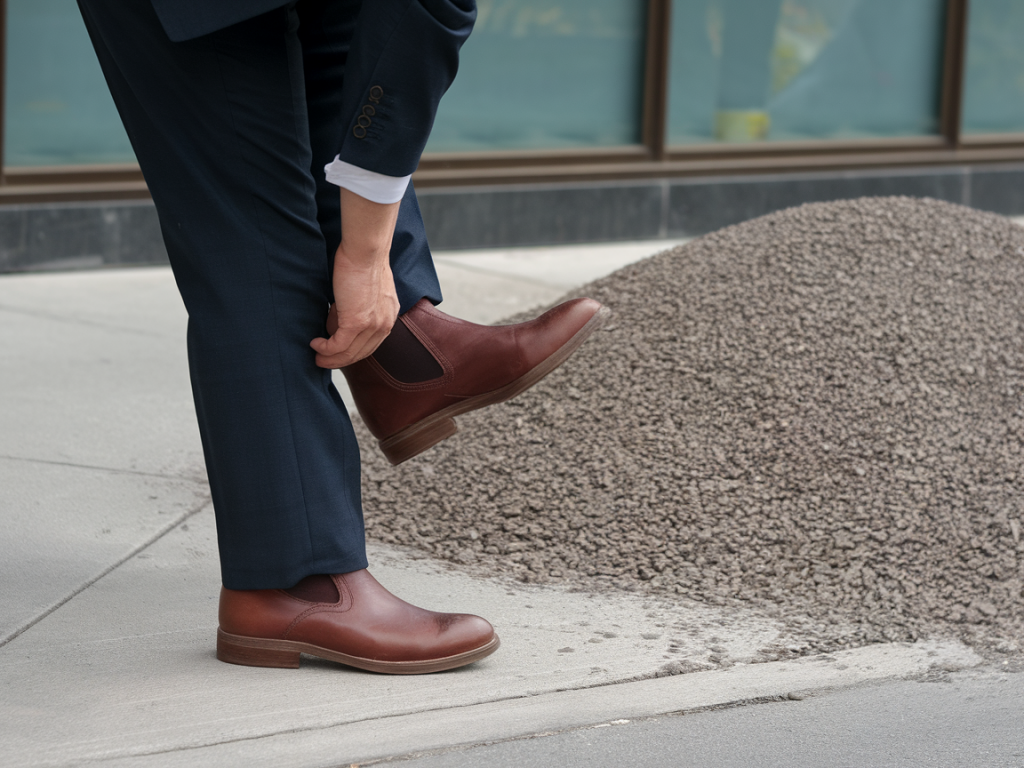
I love a good leather boot — they’re timeless, dress up jeans in an instant, and somehow make even a soggy commute feel a bit more put‑together. But few things are as soul‑crushing as a new pair that rubs your heels raw by the time you reach the office. After more than one blistered morning (and a few ruined tights), I’ve learned practical ways to stop leather boots from rubbing heels on long commutes without sacrificing style. These are the tips I actually use — and recommend — whether you’re navigating trains, buses, or a brisk city walk.
Start with the right fit
It sounds obvious, but many heel rub problems come from boots that aren’t the right shape or size for your foot. Leather stretches across the instep and forefoot more than at the heel. If your toes feel cramped but your heel slips, you’ll get rubbing. Conversely, boots that feel roomy overall but narrow at the heel can also chafe.
When trying on boots, wear the socks you plan to commute in. Walk around the shop for at least 10 minutes, and pay attention to any slipping in the heel. If a shoe already causes friction when new, it will only be worse after a long commute. If possible, get a second opinion from a retailer — sometimes a different width (narrow, standard, wide) or half size is the simple fix.
Immediate, commuter‑friendly fixes
For quick relief on the go, I keep a tiny kit in my bag. These are the items that have rescued me mid‑commute more times than I can count:
Compeed or blister plasters — These are game changers. Apply them directly to a hot spot before it becomes a blister. The hydrocolloid pad cushions, protects, and speeds healing.Silicone heel grips or foam heel liners — These stick inside the back of the boot and stop your heel from rubbing against the stiff leather. I prefer thin silicone grips for sleek boots and padded foam liners for chunkier styles.Moleskin patches — For stubborn areas, cut a small shape and stick it where the boot rubs. Moleskin is thick and protective; it won’t slip like a band‑aid.Anti‑chafe balms (e.g., Body Glide) — A swipe where your heel meets the boot can reduce friction for several hours. It’s invisible and doesn’t affect your sock or shoe fit.Breaking in leather without sacrificing style
Breaking in leather doesn’t mean ruining its shape. Leather is forgiving, and with careful techniques you can soften problem areas while keeping the aesthetic intact.
Wear them in short bursts — Start with 30–60 minute walks around the house or the block wearing the socks you’ll commute in. Increase time day by day. This builds a personalized fit as the leather stretches where needed.Use a leather‑softening spray or conditioner — Apply sparingly to the counter or heel area to soften stiff leather. I like Saphir Renovateur for high‑end leather because it nourishes without making leather greasy. Test on a hidden area first.Heat method (carefully) — With thick socks on, briefly warm the heel area with a hairdryer while flexing your foot. The heat relaxes the leather and helps it mould to your foot. Don’t overdo it — too much heat can dry leather. Follow with a light conditioner.Professional stretching — Cobblers can stretch specific pressure points without altering the boot’s silhouette. It’s worth the expense for beloved pairs.Insides matter: insoles, heel cups and sock choices
Changing the interior can stop slippage and rubbing while making boots more comfortable:
Full‑length thin insoles — These lift your foot slightly, so your heel presses more snugly into the back, reducing movement that causes rubbing. Go for slim models if you like a close fit.Heel cups — Silicone heel cups cushion and stabilize the heel, preventing it from sliding backward and forward during a commute.Socks — but make them stylish — Thick hiking socks work, but if you want to keep a sleek look: try thin merino or blended socks that still offer padding at the heel and ankle. I often wear a neutral ribbed sock that gives slight cushioning without bulk.When nothing works: modify the boot tastefully
Sometimes a small alteration keeps the style intact while solving the rub:
Add a discreet elastic insert — A cobbler can add a small elastic panel at the back of a boot (like the elastic used on Chelsea boots). It maintains the sleek profile but gives some give when you step.Swap the lining — If the interior leather is particularly stiff, replacing it with a softer lining (microfiber or leather) can eliminate friction. This is more of an investment, but it can revive an otherwise perfect pair.Quick at‑home hacks I swear by
For nights before a long commute, these quick tricks help:
Vaseline or lanolin — A thin layer on the heel area inside the boot reduces friction for a few hours. It’s not suitable for suede and can mark delicate linings so test first.Talc or baby powder — Dust the inside of the boot to reduce moisture and slipping. It’s simple, cheap, and effective for short periods.Layering socks — If you absolutely must wear a particular boot and nothing else helps, try a thin sock under a slightly thicker one. It adds padding and prevents chafing. Wear with flats or ankle boots for a neat look.Style‑conscious alternatives for long commutes
If you commute long distances daily and durability is a priority, consider boots that combine form and function:
Chelsea boots — The elastic gusset prevents heel slippage and they’re effortlessly stylish.Boots with back zip + adjustable buckles — These allow you to fine‑tune fit at the ankle and heel.Low stacked heels or platform soles — Slight elevation can change foot position and reduce heel movement while staying chic.A few product names I recommend
There are tons of useful products; here are ones I’ve tried and liked:
Silicone heel grips — Dr. Scholl’s Heel Liners or generic silicone pads from Amazon.Blister care — Compeed Blister Cushions (available in UK pharmacies) and Fixodent/Curad pads for emergencies.Anti‑chafe balm — Body Glide or SweatBlock for particularly sensitive skin.Leather care — Saphir Renovateur or a neutral leather conditioner for softening stiff areas.On my worst blister day, a combination of moleskin, a heel grip, and a Compeed plaster got me through a 90‑minute commute without limping into a meeting. That taught me to plan ahead: prevention is always more stylish than emergency fixes. With the right products and a little patience breaking them in, your leather boots can be both comfortable and chic — ready to take you through the commute and into the rest of your day with confidence.