I used to be the queen of late-night snacking. When work felt never-ending or stress crept in, I'd reach for anything sweet or crunchy and tell myself I deserved it. The next morning I’d wake up heavy, a little guilty, and often wired — my sleep fractured by that late sugar hit. Over time I learned that the way I ended the day mattered far more than I’d thought. I developed a simple, five-step evening ritual that calms my nervous system, reduces the urge to snack out of stress, and reliably helps me sleep better the same night. I want to share it with you in a way that's practical and gentle — the kind of small routine that actually fits into a busy life.
Why evening rituals work (and why snacking is never just about hunger)
Before we get to the steps, it helps to understand why this routine is effective. Stress-driven snacking isn’t only about the food — it’s about an emotional response to tension, boredom or overstimulation. When we don’t give our bodies and minds a clear signal that the day is winding down, our sympathetic nervous system (the fight-or-flight side) stays activated. That makes us crave immediate reward — usually high-sugar or high-fat foods. By designing a short, intentional wind-down sequence, we flip that switch toward rest and activate the parasympathetic nervous system, which reduces cravings and helps us fall asleep more easily.
Step 1 — Pause and name it: 3 minutes of honest check-in
I start with a simple check-in. No elaborate journaling — just three minutes. I sit comfortably, breathe slowly, and ask myself: Am I physically hungry, or am I feeling stressed, anxious, tired, or just procrastinating? I say the answer out loud or jot a single line in a tiny notebook by my bed. Naming the feeling magically reduces its power; it turns an automatic response into a conscious choice.
If the answer is true physical hunger, I allow myself a small, nutrient-dense bite (see Step 3). If it’s emotional, the rest of the ritual is designed to soothe that urge without food.
Step 2 — A calming beverage ritual
Something warm in the evening signals safety to my body. I have a short list of favoured bedtime drinks: chamomile tea, a mug of warm oat milk with a pinch of cinnamon, or a magnesium-rich nighttime blend (I like Natural Calm's powder diluted in warm water sometimes). I keep this ritual screen-free: no scrolling, just sipping slowly for five to ten minutes.
Besides warmth, the ritual matters — I prepare the drink mindfully, use a favourite mug, and breathe between sips. That sensory experience redirects the urge to snack while genuinely calming me down.
Step 3 — Smart, tiny snacks if needed
Sometimes I am physically hungry and denying food would just lead to low blood sugar and worse cravings. The trick is to keep snacks small and balanced: combine protein, a little healthy fat, and some fibre. Here are quick options I reach for:
Portion control is key: I prepare these in small bowls in the kitchen, not at the couch. Eating away from screens helps me notice satiety cues and avoid the "one-more-bite" trap.
Step 4 — A five-to-ten minute nervous-system reset
After my drink (and snack if needed), I do a short reset for my nervous system. This is my non-negotiable step. I usually pick one of the following depending on time and mood:
Doing this consistently trains my body to associate these cues with sleep. Gradually, the urge to soothe myself with food diminishes because my stress response is being addressed directly.
Step 5 — Create a tactile comfort and a micro-environment for sleep
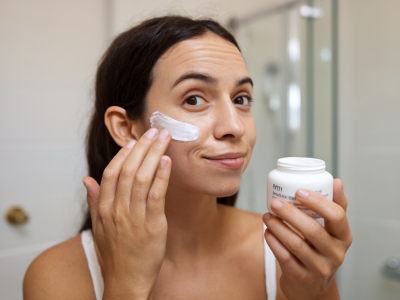
The final step is about setting the scene so my brain has fewer reasons to resist sleep. I dim the lights or switch to a low-watt bedroom lamp, spritz a light lavender mist on my pillow (I use a simple lavender water or a pillow spray from Thisworks), and put on breathable cotton PJs. Sometimes I slip a cool gel eye mask on for two minutes to soothe tired eyes.
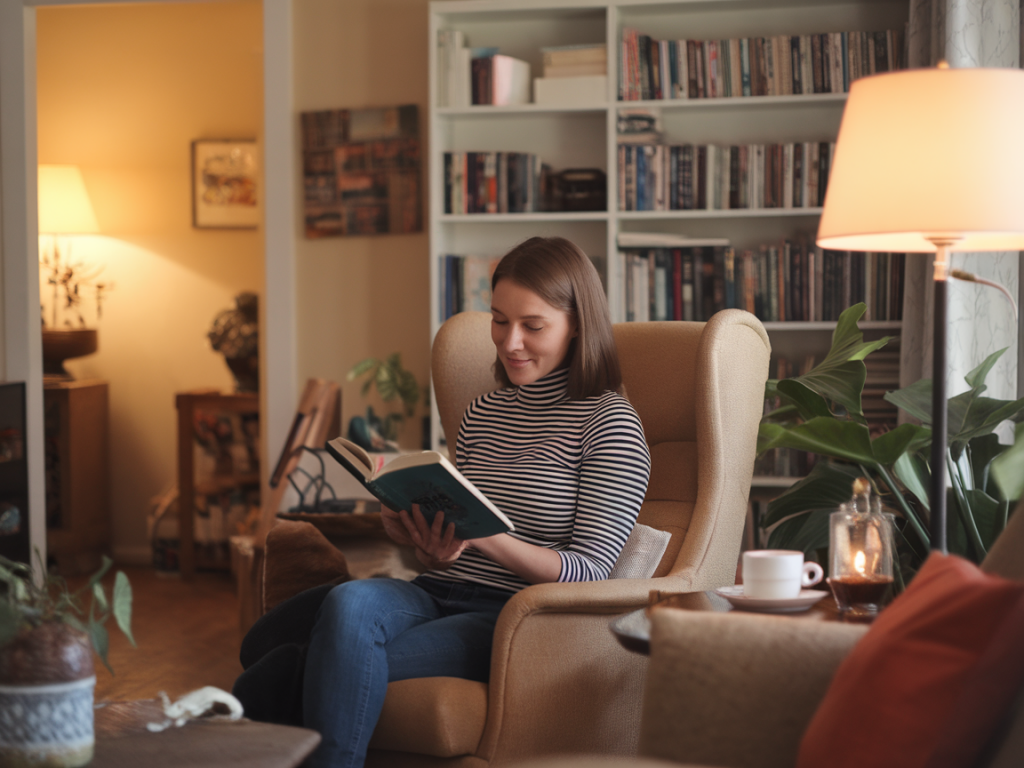
If I want to read, I choose a physical book or an e-reader with warm light settings and set a strict 20-minute limit. If I feel restless afterward, I do another minute of box breathing rather than reaching for the kitchen.
Practical tips that make the ritual stick
Small design choices make these steps easier to follow:
What to expect the first few nights
Initially, you might notice lingering urges to snack or a restlessness that feels familiar. That’s normal. After a few nights of consistently following this ritual, those late-night cravings start to fade. You’ll likely fall asleep faster and find that your sleep is deeper — fewer midnight awakenings or restless turning. Because you’re addressing the underlying stress response and creating consistent signals for sleep, the benefits can be felt the same night, and they compound over time.
If you try this, tweak it to suit your life. I’ve written this on chloesdream.co.uk because I want practical tools that respect busy schedules. This evening ritual is one I return to again and again — it’s simple, portable, and kind. It doesn’t remove stress, but it gives you a gentle, reliable way to end the day without reaching for snacks that leave you feeling worse the next morning.