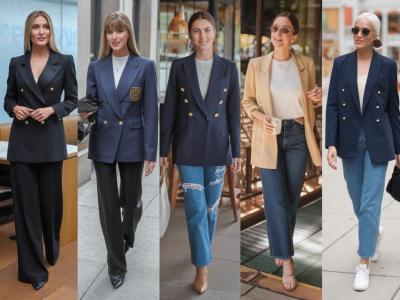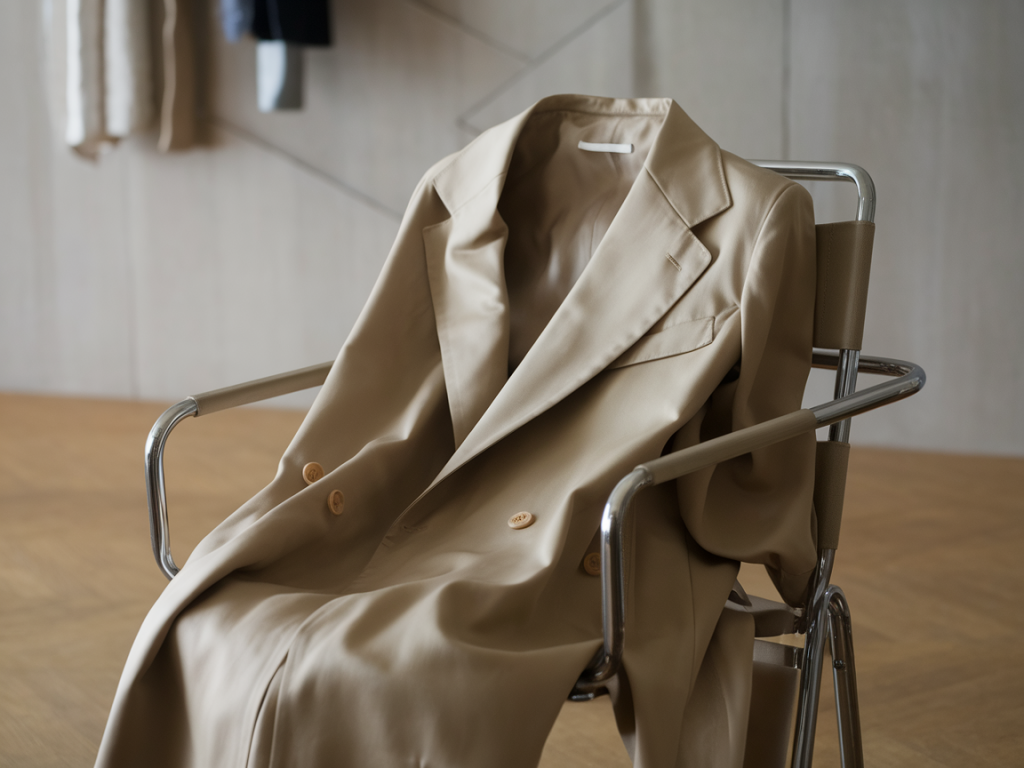
I have a small travel confession: I used to overpack bulky outerwear "just in case" and then spend my city breaks lugging around a heavy coat I didn’t even like by the afternoon. Over the years I’ve learned to prioritise a single lightweight, packable coat that keeps me warm, travels small and doesn’t look like a crumpled sleeping bag when I unpack it. If you want a coat that easily fits in a carry-on, deals with gusty streets and drapes nicely over café layers, here’s what I look for — and the exact types of coats that have made it into my suitcase time and again.
What “lightweight and packable” actually means
When I say lightweight and packable, I mean outerwear that you can fold or roll into a small space without losing shape, and that won’t add more than a few kilos to your luggage. It should compress well into a daypack or the top of a suitcase and come out wearable without ironing. Important features I check:
Compressibility: A coat that can be squashed into a packing cube or its own pouch.Warmth-to-weight ratio: Efficient insulation that doesn’t rely on bulk.Wrinkle resistance: Fabrics that bounce back quickly (synthetic shell, treated wool blends, or down with good loft).Water resistance: Urban weather is unpredictable — a DWR finish or technical shell helps.Fill types: down, synthetic, or technical wool?
Each fill has pros and cons, and my pick changes with destination and season.
Down: My favourite for cold, dry city breaks (think early spring in Copenhagen). Down has the best warmth-to-weight ratio; a high fill power (700+) gives a lot of warmth without bulk. The downside is performance in wet weather — choose a water-resistant shell or treated down if rain is likely.Synthetic insulation: Ideal for damp climates (London, Amsterdam in shoulder season). Modern synthetics like PrimaLoft compress well, handle moisture better than down and retain warmth when wet. They’re also lower maintenance and often more budget-friendly.Technical wool or blended coats: For smart-casual city travel where you want to look polished, a treated merino-wool blend or a wool-cashmere mix with a technical membrane can be lovely. They’re less packable than down or synthetic puffers but crease less than pure wool and can often be rolled into a bag with minimal fuss.Cut and length: what works best for city breaks?
I prefer mid-thigh or hip-length coats for most city breaks. They balance coverage with mobility — perfect for walking tours, public transport and café stops. Things to consider:
Hip-length puffer: Great for layering and stuffing into luggage. Looks effortless with jeans and ankle boots.Mid-thigh longline: Offers more warmth and looks chic over dresses and trousers; still packable if the fabric has some give.Packable trench or technical mac: Slim, polished and perfect for rainy city breaks. They fold small, stay crease-free and layer well over knitwear.Fit and layering
One rule I follow: buy for the layer. If I expect to wear a jumper or blazer underneath, I make sure there’s enough room in the shoulders and torso without making the coat look oversized. Look for slightly dropped shoulders and room in the sleeve so you can put on a chunky knit if needed. Adjustable cuffs and a two-way zipper are small details that improve comfort and mobility.
Materials and finishes that resist creasing
Nothing ruins a travel outfit like a coat that looks wrinkled after being in a bag. These are my go-to fabrics and finishes:
Ripstop nylon or polyester shells: Lightweight and bounce-back; many packable puffers use these and they resist creasing.Microfibre or technical cotton blends: Often used in packable macs and trench coats — they hang well and don’t crush.Treated wools: Super 100s or blended merino with a finish for water resistance can be surprisingly resilient if rolled carefully.Features that make packing and wearing easier
Over the years I’ve learnt to hunt for small but game-changing details:
Stuff sack or internal pocket pouch: Many packable coats compress into their own pocket — ideal for saving space and not getting soot on everything else.Two-way zip and storm flap: Practical for getting in and out when you’re layering and for windy streets.Hidden hood or detachable hood: A hood that folds away keeps silhouettes clean but is ready for quick showers.Pack-friendly collar: A low-profile collar avoids big creases when folded.Brands and models I recommend — what I’ve tried on the road
I mention brands because they make consistent, travel-friendly choices. I’ve worn these on different city breaks and keep coming back to them.
Uniqlo Ultra Light Down: Affordable, compressible, and the women’s range fits neatly under coats or over sweaters. It’s my go-to for autumn escapes and shoulder-season trips.Patagonia Nano Puff: Synthetic insulation that compresses brilliantly and withstands damp weather. The shell is crease-resistant and the coat packs into a pocket. Great for active city days when you’ll be on the move.Arc’teryx Cerium SL or Atom LT: Technical, minimal and incredibly packable. These are pricier but feel and perform like a dream for cold, variable city climates.Ecoalf or Everlane packable trench: For smarter breaks I reach for a compact trench or mac made from recycled technical fabric — they look tidy out of the bag and resist creasing.Herno Laminar or Moncler lightweight down: If you want a luxe option that still packs small, these brands combine beautiful silhouettes with technical performance.Packing tips so your coat comes out crease-free
Roll, don’t fold: For puffers, lay the coat flat, tuck the sleeves in and roll tightly from hem to collar; then stuff into its pouch.Use a packing cube: Put the coat on top of other clothes in a cube so it doesn’t get crushed under heavy items.Hang when you can: As soon as you arrive, hang the coat in the bathroom while you shower — the steam helps the fabric relax and bounce back.Carry-on or wear it: If you’re nervous about creases, wear the coat on the plane or drape it over your lap — less chance of it being squashed.Care and quick fixes on the road
For small wrinkles, a quick steam from the shower or using the hotel iron on a low setting with a cloth between fabric and iron works well. For down that’s lost some loft, gentle patting and a few hours hung in a warm, ventilated room usually helps. Always check the care label before treating anything.
Choosing the right lightweight, packable coat is a little bit about geography and a lot about what makes you feel comfortable and confident on the move. For me, the sweet spot is a mid-length, compressible coat with good insulation, a water-resistant shell and a tidy silhouette that still layers well. Once you have that one reliable coat, packing becomes easier and you’ll find dressing for city breaks feels a lot less stressful — and more stylish.