I remember the first time I wanted to try retinol: I’d read glowing headlines about smoother skin, fewer breakouts, and brighter tone—but every promising before/after came with a string of warnings about redness, peeling, and sensitivity. As someone with skin that flares easily, I learned the hard way that the right product and the right approach make all the difference. Below I’ll walk you through how to choose a drugstore retinol that actually works for sensitive skin and how to introduce it with as little drama as possible.
Why retinol and why the drugstore?
Retinol is a tried-and-true derivative of vitamin A that helps increase cell turnover, boost collagen production, and fade pigmentation. You don’t need a prescription to get benefits—many effective formulas live in the drugstore aisle. The advantage of drugstore retinol is accessibility: you can experiment without a large investment, and many brands now use stable forms and skin-soothing formulations aimed at people with sensitive skin.
What to look for on the label
When shopping, focus on the whole formula, not just the percentage of retinol. A low concentration in a calm, hydrating base will usually be gentler and more effective for long-term use than a high concentration in a stripping formula.
Concentration: For sensitive skin, start with 0.025% to 0.3% retinol. Many drugstore brands offer 0.3% or 0.5%—0.3% is a sensible sweet spot for most beginners who are sensitive.Formulation: Look for products described as “gentle,” “for sensitive skin,” “encapsulated,” or “slow-release.” Encapsulation can reduce irritation by delivering retinol gradually.Supportive ingredients: Niacinamide, glycerin, hyaluronic acid, ceramides, and fatty alcohols (like cetyl or stearyl alcohol) soothe and repair the skin barrier. Avoid products that pair high retinol amounts with alcohol denat or fragrance.Packaging: Retinoids are light-sensitive. Choose opaque, air-tight pumps or tubes rather than jars.Drugstore retinol options I trust
To make this practical, here are a few products I’ve tried or recommended that are widely available and budget-friendly. They’re not perfect for everyone, but they’re a good starting point:
Over-the-counter retinol 0.3% formulas (many brands like CeraVe, La Roche-Posay, and The Ordinary have options in this range with supportive ingredients).CeraVe Resurfacing Retinol Serum – contains ceramides and niacinamide, generally gentle and barrier-friendly.La Roche-Posay Retinol B3 Serum – has niacinamide and a stable retinol formulation often recommended for sensitive skin.The Ordinary Granactive Retinoid 2% in Squalane – technically a retinoid ester (Hydroxypinacolone Retinoate) that's often less irritating and very affordable.Alternatives if you really can’t tolerate retinol
Not everyone can use retinol—even with patience and barrier care. If that’s you, try:
Bakuchiol: A plant-derived alternative that mimics retinol’s effects for some people with far less irritation. Brands like Herbivore and The INKEY List make accessible options.Azelaic acid: Great for redness, rosacea-prone skin, and hyperpigmentation.Gentle chemical exfoliation: Low-strength lactic acid (5–10%) can offer improved texture with lower irritation risk for some.How to introduce retinol painlessly
Patience is your best friend. Here’s a practical, step-by-step ramp-up plan I often share:
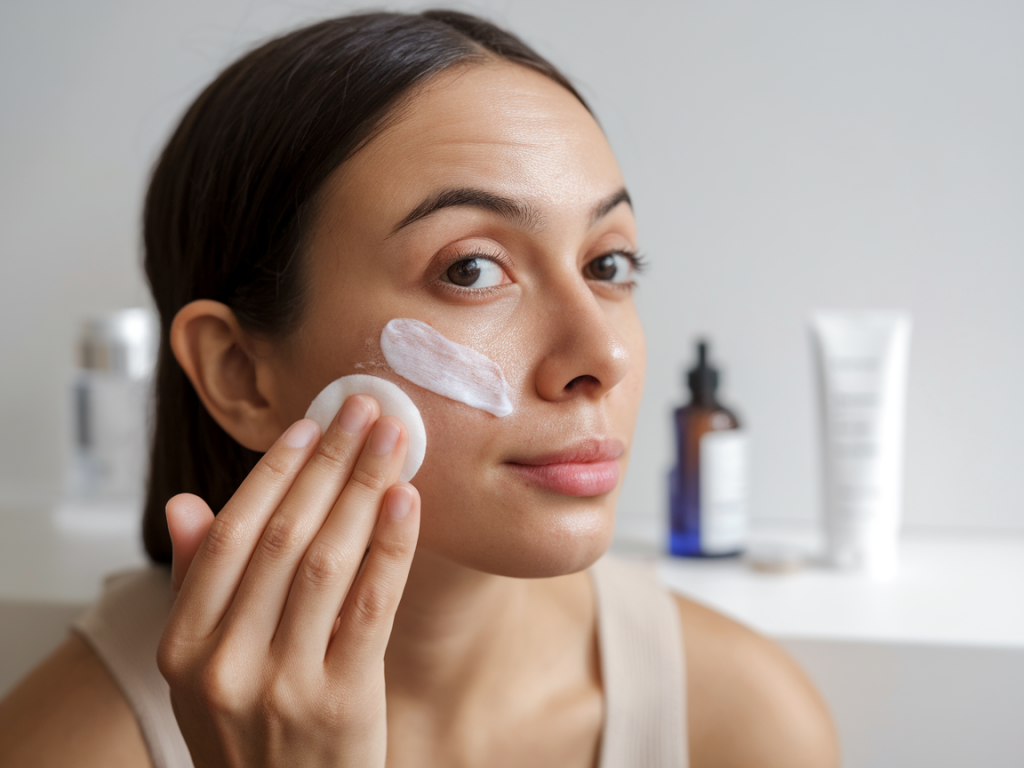
Patch test: Apply a small amount to the inside of your wrist or behind your ear once daily for 3–5 days to check for immediate reaction.Begin slowly: Start with one application every 4th night for two weeks. If your skin tolerates it—no persistent redness, stinging, or flaking—increase to once every third night for two weeks, then every second night, until you’re using nightly if desired.Buffering method: To reduce potential irritation, mix your retinol with a pea-sized amount of moisturizer in the palm of your hand and apply together. This dilutes the concentration on the skin’s surface and helps your barrier adjust.Layering order: Cleanse → apply retinol (or retinol+moisturizer mix) → follow with a hydrating serum (if using) → a rich moisturizer. If using other actives like AHAs/BHAs or vitamin C, avoid layering them with retinol at night; rotate them on different nights.Use sunscreen: Retinol increases sun sensitivity. Daily SPF 30+ is non-negotiable. I keep a mineral SPF in my bag for touch-ups.What to expect and how to respond to irritation
Some mild flaking, dryness, or occasional redness is common in the first 4–8 weeks. If you experience:
Mild dryness/peeling: Continue with the buffering method and add a richer moisturizer or occlusive (like petrolatum) at night. A hydrating toner or a hyaluronic acid serum under your moisturizer can help.Persistent burning, intense redness, swelling, blistering: Stop retinol immediately. Soothe with barrier-repair moisturizers containing ceramides and niacinamide, and consider seeing a dermatologist if severe.Breakouts in the short term: Purging can happen as retinol accelerates cell turnover. If breakouts persist beyond 8–12 weeks, the product might not be right for you.Simple weekly routine example for sensitive skin
| Morning | Evening |
| Gentle cleanser, hydrating serum (hyaluronic acid), moisturizer, SPF 30+ | Cleanser, retinol (1–2x/week to start, use buffering method), moisturizer (rich) |
| — | Other nights: cleanser, targeted treatments if needed (azelaic acid/niacinamide), moisturizer |
Final practical tips I live by
Less is more. A pea-sized amount is plenty for your whole face.Consistency beats intensity. A gentle retinol used regularly will outperform a harsh one you can’t tolerate.Track progress with photos every 4 weeks—skin changes slowly, and photos prevent overreacting to short-term fluctuations.If in doubt, see a dermatologist. They can recommend prescription retinoids or tailored strategies if OTC attempts cause issues.Introducing retinol to sensitive skin takes a little strategy but it’s entirely doable. By choosing a mild, supportive formula, ramping up slowly, and prioritizing barrier care and sun protection, you can enjoy retinol’s benefits without unnecessary irritation. If you want, tell me what products you already use and I’ll help you choose a retinol that fits into your routine.