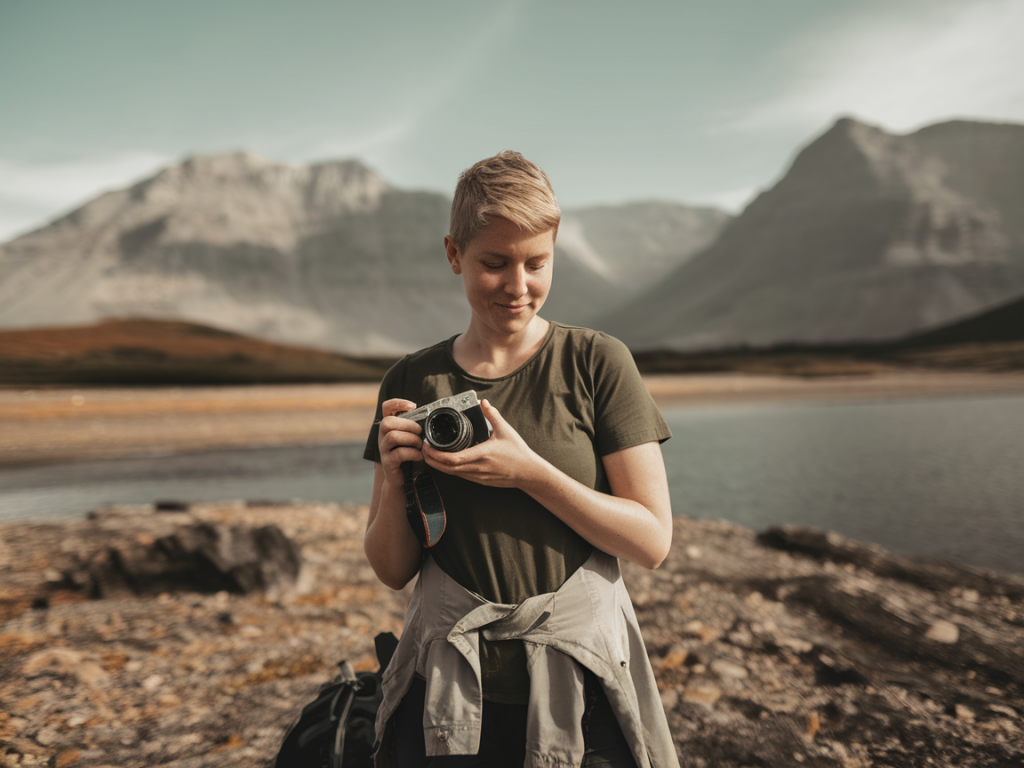
I’m the kind of traveller who gets a spark of joy from the unknown and a cold sweat from planning. If you recognise that mix — you want to explore, not orchestrate every minute — this anxiety-friendly checklist is written for you. It’s not a rigid itinerary; it’s a gentle framework that keeps small practical things handled so your curiosity can lead the way.
My travel mindset: planning light, preparing smart
First, a quick note on mindset. I’ve learned that planning doesn’t have to mean controlling. For me, the goal of a checklist is to remove tiny decision fatigue and possible panic triggers, not to micro-manage my trip. Think of this list as a safety net: lightweight, reliable and easy to use when you want spontaneity without stress.
Before you go: non-negotiable admin
These are the few tasks I always tick off early so nothing surprises me at the airport or on arrival.
Passport and ID: Check expiry date (some countries require 6 months). Take a photo of your passport and store it in your phone plus an encrypted cloud folder.Travel insurance: Buy it early and screenshot the policy number. Make sure it covers health and theft.Medical essentials: Refill prescriptions before you travel and pack a small card listing medications + any allergies. If you take mental health medication, pack a week extra in carry-on.Copies of bookings: Screenshot flight/hotel confirmations and any essential tickets. Don’t rely on phone reception — save them to your offline files.Banking: Tell your bank you’ll be abroad and order a small amount of local currency for arrival.Pre-trip week: what actually calms me
In the week before I leave I run a few low-effort routines that massively reduce anxiety:
Mini practice run: Pack an outfit into your bag and close it. If it zips shut, you’re good. This prevents late-night packing scrambles.Plan one arrival activity: Nothing big — a coffee shop near the hotel or a short walk route. It’s my first-thing-to-do anchor.Create a “leave” checklist: A simple sticky note on the door with essentials: keys, passport, charger, and a small mental reminder: “breathe.”Carry-on essentials: what lives in my bag
My carry-on is the place I keep calm in a crisis. These items are chosen to help me rest, hydrate, and feel grounded.
Documents pouch: Passport, boarding pass screenshots, insurance card, emergency contacts.Phone + charger: Compact charger (Anker is my go-to) and a short charging cable I keep in the pouch.Noise-cancelling headphones: They reduce sensory overload — Bose and Sony models are great but even budget earbuds with foam tips help.Comfort items: Lightweight scarf (doubles as a travel blanket), inflatable neck pillow, and a soft eye mask.Hydration & snacks: Empty reusable water bottle to fill post-security and a couple of protein bars or nuts.Anxiety toolkit: Lavender roller or essential oil, Rescue Remedy or a small calming spray, a list of simple grounding exercises (I keep mine on a note in the bag).Health: Hand sanitiser, a few plasters, painkillers, and any daily vitamins.Capsule wardrobe: pack once, style easily
I hate overpacking, so I use a capsule approach: neutral basics + 2 statement pieces. It saves decision energy and still feels stylish.
Base items: 2 tops (one short sleeve, one long sleeve), 2 bottoms (jeans and lightweight trousers), 1 dress or jumpsuit (optional).Layering: Light knit or blazer that matches everything.Shoes: Comfortable sneakers and one versatile shoe (flat loafers or ankle boots).Accessories: A pair of simple earrings, a scarf, and a crossbody bag for exploring.Pro tip: roll clothes to save space and keep items you’re most likely to need on top.
Quick packing table: essentials at a glance
| Category | What I pack |
| Documents | Passport, insurance, booking screenshots |
| Electronics | Phone, charger, power bank (Anker), headphones |
| Comfort | Scarf, eye mask, neck pillow |
| Health | Prescriptions, pain relief, hand sanitiser |
| Calm kit | Lavender roller, grounding notes, snacks |
Self-care rituals on the road
I pack routines, not time-consuming rituals. Tiny habits keep me steady and make travel feel familiar.
Morning grounding: 5 minutes of breathwork or a short walk. I use the Calm app for a three-minute body scan when I need it.Sleep anchors: Lightweight eye mask and a lavender spray. I avoid heavy screen time before bed and keep my phone on Do Not Disturb after a set hour.Movement: Even a 15-minute stretch or a hotel-room yoga flow reduces travel tension.Managing anxiety moments
When anxiety spikes, I rely on simple, repeatable strategies that work even when I’m flustered.
5-4-3-2-1 grounding: Name 5 things you can see, 4 you can touch, 3 you can hear, 2 you can smell, 1 you can taste.Phone calm folder: Save a few podcasts, a short guided meditation, and a playlist that soothes you.Breathing pattern: Slow box breathing: inhale 4, hold 4, exhale 4, hold 4. Repeat until you feel steadier.If public spaces feel overwhelming, I look for small sensory resets: step outside for fresh air, splash water on my face, or find a quiet café corner for 10 minutes.
When plans change (and they will)
Flexibility is part of the fun — and the stress. I keep a few habits to handle hiccups without derailing the trip.
Plan B list: One alternative for the day: a nearby park, a museum, or a cosy café. Having one simple back-up prevents panic.Buffer time: I never book back-to-back commitments the day I arrive. Give yourself breathing room.Local contacts: Save the hotel’s phone number, local emergency numbers and one local recommendation from a friendly staff member when you check in.Final packing day: the calm checklist
On the day I leave I follow this short routine. It takes 10 minutes and keeps me from forgetting something crucial.
Charge devices and pack chargers in carry-on.Take out liquids from checked baggage and place in a clear bag if needed.Wear travel-friendly outfit: layers, comfy shoes.Quick tidy at home: unplug appliances and take out the trash — coming back to a tidy home lowers post-trip anxiety.Double-check wallet+passport+phone are in the same safe pocket.Travel doesn’t have to be stressful to be spontaneous. With a few calming rituals, a pared-down capsule wardrobe and a compact “anxiety toolkit” in your carry-on, you can keep planning to a minimum and exploring to a maximum. Pack the essentials, lighten the decisions, and leave room for the unexpected — that’s where the best travel moments happen.